FREQUENTLY ASKED QUESTIONS
01: What are protective coveralls used for?
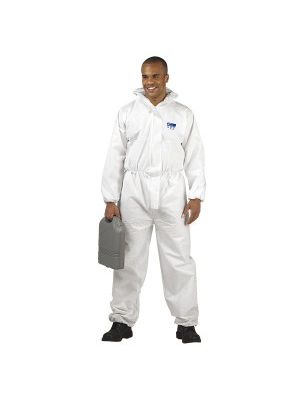
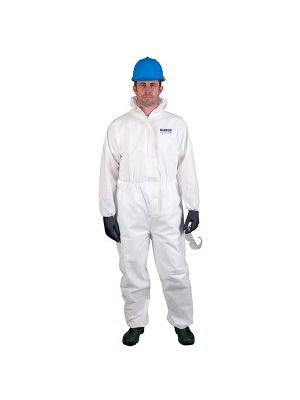
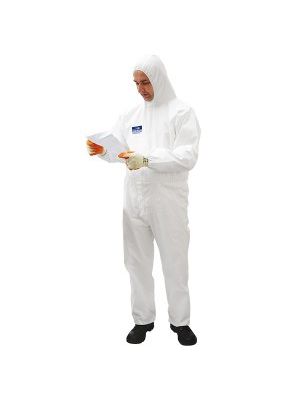
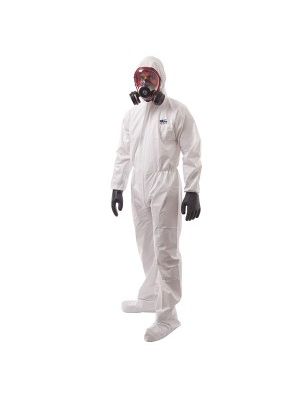
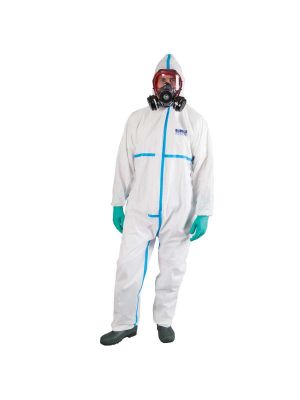
Protective coveralls are single-piece garments that cover the body to keep hazardous dust, fibres, liquids and splashes off your skin and clothing. They are used in asbestos removal, painting, cleaning, agriculture, laboratories and maintenance. Choose the type and category that match the hazard, because not all coveralls give the same protection.
02: What does Cat 3 Type 5/6 mean on disposable coveralls?
Category 3 is the PPE class for serious risks, so the garment must be independently certified. Type 5 protects against airborne solid particles such as dust and fibres, and Type 6 gives limited protection against light liquid splashes. Together they suit dusty, low-level splash tasks, but not heavy chemical spray or liquid jets.
03: Are asbestos coveralls different from normal disposable coveralls?
Asbestos coveralls are not a special product, but they must meet a minimum grade. HSE guidance expects disposable Category 3 Type 5 coveralls with an integral hood. Ordinary work overalls, cotton boiler suits and Type 6-only suits don’t qualify. Check the Type 5 marking before buying.
04: SMS or microporous: which disposable coveralls are better?
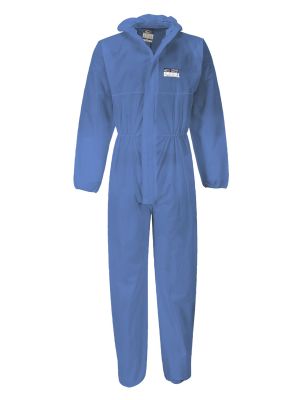
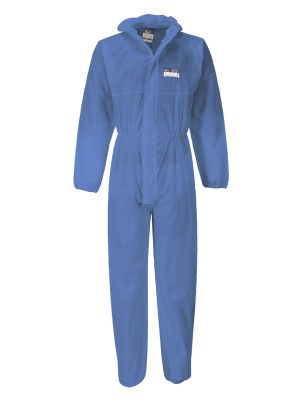
Both can be Cat 3 Type 5/6. SMS coveralls use a lighter three-layer fabric that is more breathable and comfortable for long wear. Microporous coveralls have a laminated film that generally gives a stronger barrier against fine particles and light liquids, but are typically warmer. Match the fabric to your hazard and working conditions.
05: Why are white disposable coveralls so common?
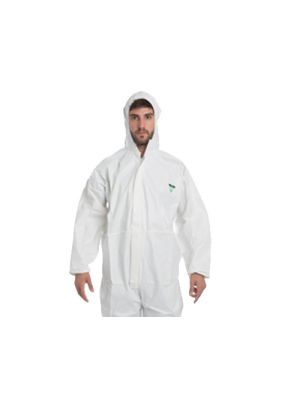
White disposable coveralls make dirt, dust and stains easy to spot, which helps with hygiene and contamination control. They are widely used in asbestos removal, decorating, cleaning and laboratory work. Colour doesn’t affect protection, so always check the Type and Category marking rather than choosing by colour alone.
06: Can disposable coveralls be reused?
No. Disposable coveralls are designed for single use. Once contaminated, torn or heavily worn, they stop giving reliable protection, and washing can damage the fabric or spread contamination. Asbestos coveralls must always be disposed of as asbestos waste after use. Replace any suit at the first sign of damage.
07: What size disposable suits should I buy?
Choose disposable suits by your height and chest measurement using the manufacturer’s size chart, and allow room to bend, reach and kneel without the fabric straining. Too small and the seams can split; too large and loose fabric can snag or let in contaminants. If you’re between sizes, size up. Our range runs from large to 4XL.
08: Do disposable overalls protect against chemicals?
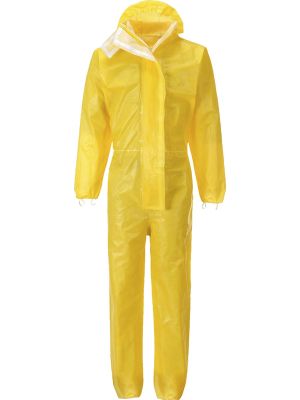
Only to a limited degree. Type 5/6 disposable overalls guard against dust and light splashes, but not sustained chemical contact. For pressurised spray you need Type 4 spray-tight suits, and for liquid jets Type 3. Always check the chemical resistance data for your substance and use the right gloves, respirator and eye protection alongside. Our range includes Type 4/5/6 and Type 3/4/5/6 options.
09: Are disposable coveralls flame resistant?
Standard disposable coveralls are not flame resistant and can melt or burn near ignition sources. If there is a flash fire or flame risk, choose flame-resistant coveralls tested to EN 14116, which limits flame spread. Check that the rating suits your hazard, as welding and arc flash work need specific protection. Our range includes flame-resistant Type 5/6 coveralls.
10: How do I take off disposable coveralls safely?
Remove them slowly to avoid spreading dust. Unzip, roll the coverall inside out from the shoulders downwards, keeping the contaminated outer surface away from your skin and clothing, and don’t shake it. Place it straight into a waste bag. If you wear a respirator, take it off last, then wash your hands and face.