FREQUENTLY ASKED QUESTIONS
01: What mask do I need for asbestos?
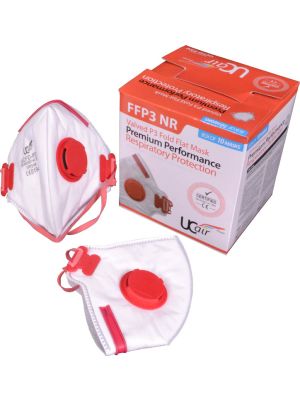
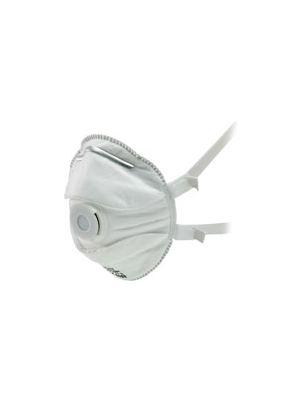
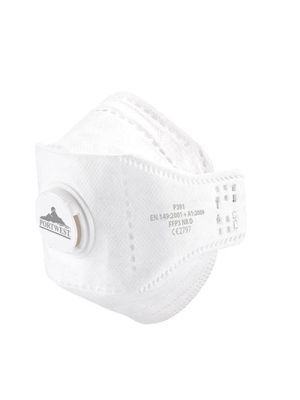
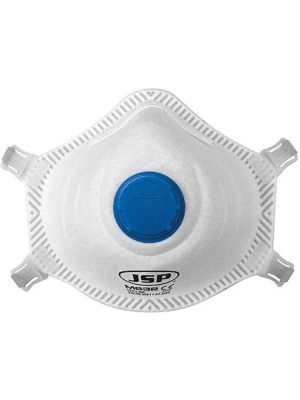
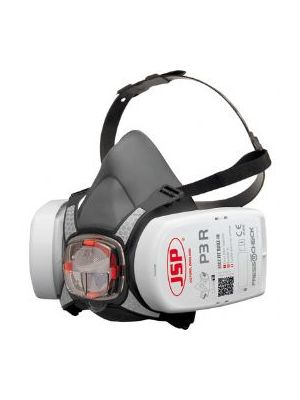
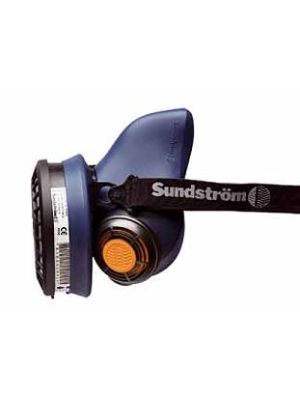
For short, low-risk non-licensed work, HSE guidance lists a disposable FFP3 mask (EN 149), a half mask with P3 filters (EN 140), or a semi-disposable respirator with P3 filters (EN 405). Licensed asbestos work needs higher-specification equipment. Whichever asbestos mask you choose, it must fit properly and match your task.
02: Is a normal dust mask enough for asbestos?
No. A basic dust mask, or an FFP1 or FFP2 mask, doesn’t give the protection HSE expects for asbestos, and wearing two masks is no substitute. An asbestos dust mask should be at least an FFP3 respirator to EN 149, properly fitted and face fit tested.
03: What PPE do I need for asbestos work?
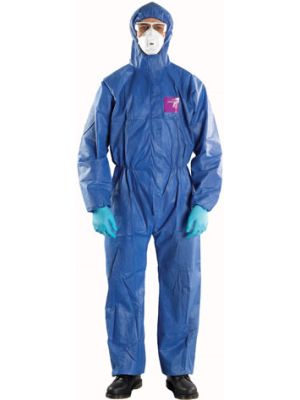
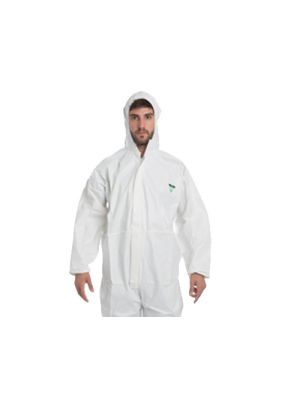
Asbestos PPE normally means a suitable respirator, disposable Type 5 Category 3 coveralls with a hood, gloves, and disposable boot covers or dedicated boots. Used items go into labelled asbestos waste bags. PPE is the last line of defence, so use it alongside safe working methods and proper training.
04: What comes in a PPE asbestos kit?
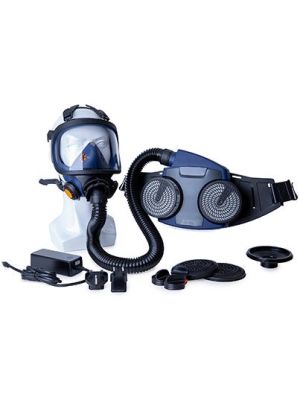
A PPE asbestos kit usually bundles a disposable FFP3 mask, hooded Type 5/6 coveralls, gloves and overshoes, sometimes with asbestos bags. Contents vary by supplier, so check the listing against your task and risk assessment. Our range includes standard kits and a Sundström powered air asbestos kit.
05: Do I need a full face asbestos mask?
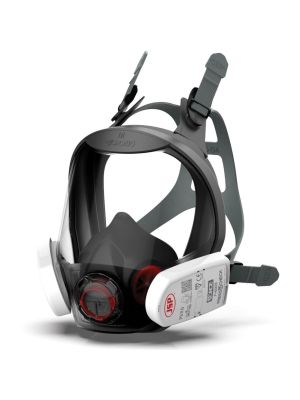
Not for every job. Non-licensed tasks can use FFP3 or half masks, but a full face asbestos mask offers a higher protection factor (40 with P3 filters, against 20 for FFP3) and built-in eye protection. Licensed work typically needs full face or powered equipment. Follow your risk assessment or contractor’s plan of work.
06: FFP3 vs half mask: which asbestos face mask is better?
Both meet HSE’s non-licensed guidance and share a protection factor of 20, and both must be fit tested. A disposable FFP3 is lightweight and thrown away after use as asbestos waste. A reusable half mask with P3 filters costs more upfront but suits frequent work, with only the filters replaced.
07: Do I need a face fit test for an asbestos mask?
Yes. Tight-fitting asbestos masks, whether disposable FFP3, half mask or full face, must be face fit tested for the wearer and model, and used on a clean-shaven face. Stubble or beards break the seal. If you can’t be clean-shaven, a loose-fitting powered respirator is an alternative.
08: How do I dispose of an asbestos mask and PPE after use?
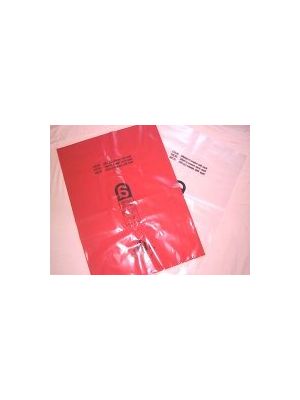
Disposable masks, coveralls, gloves and overshoes count as asbestos waste. Double-bag them in labelled red and clear asbestos bags and send them to a site licensed to accept asbestos waste. Remove your respirator last, and never put used PPE in general rubbish.
09: Can I do asbestos work myself if I buy the right asbestos protection?
Only for non-licensed work, and only if you are trained. Work on sprayed coatings, lagging or insulation boards normally needs an HSE-licensed contractor, whatever PPE you own. Asbestos protection reduces exposure but doesn’t replace training, a risk assessment or a licence where required. Check HSE’s guidance on licensed work first.
10: What coveralls should I wear for asbestos work?
Wear disposable Category 3 Type 5/6 coveralls with an integral hood. Type 5 protects against airborne particles, including asbestos fibres, and Type 6 gives limited splash protection. Choose the right size to avoid tears, and dispose of them as asbestos waste after use. Never wash and reuse them.