FREQUENTLY ASKED QUESTIONS
01: What is a surgical face mask used for?
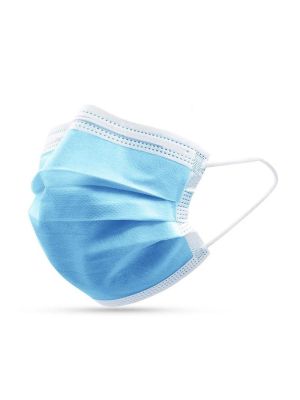
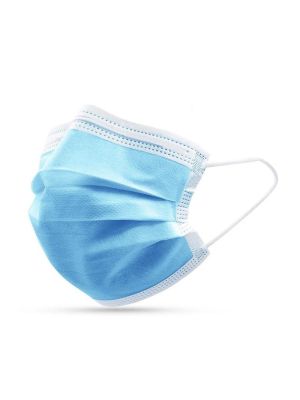
A surgical face mask is a loose-fitting, single-use medical mask that covers the nose and mouth. Its main job is to reduce the spread of droplets from the wearer to others, such as in healthcare, dentistry, care homes and clean environments. Type IIR masks also resist splashes of fluids. A surgical face mask isn’t a respirator and doesn’t seal the face.
02: What is the difference between Type II and Type IIR surgical masks?
Both are tested to EN 14683 and filter at least 98% of bacteria. Type IIR adds splash resistance, tested against fluid at 120 mmHg, so it suits clinical settings with splash risk. Type II suits general and public use. Neither is a respirator. Choose surgical masks by environment, and check which type your employer or setting requires.
03: What does EN 14683 mean on a medical face mask?
EN 14683 is the European standard for medical face masks. It tests bacterial filtration efficiency, breathability, splash resistance (Type IIR) and cleanliness. A mask labelled Type I, II or IIR to EN 14683 and carrying CE or UKCA marking is a medical device. Masks without this marking are face coverings, not medical masks.
04: Which side of a blue face mask goes on the outside?
On most blue and white surgical masks, the coloured (blue) side faces outwards and the white absorbent side faces your face. Place the nose wire at the top, pull the pleats down to cover your mouth and chin, and press the wire to your nose. If the packaging says otherwise, follow it.
05: Do surgical medical masks protect against viruses?
A surgical medical mask mainly protects others by reducing the droplets you breathe out. It gives limited protection to the wearer because it doesn’t seal to the face and isn’t designed to filter fine airborne particles. For protection against airborne infections, use a properly fitted FFP2 or FFP3 respirator. Type IIR also protects against splashes of fluids.
06: Can disposable masks like surgical masks protect against dust?
No. Surgical masks aren’t tested for dust protection and don’t seal to the face, so dust passes around the edges. For sanding, cutting or cleaning dusty areas, use an FFP1, FFP2 or FFP3 respirator matched to the hazard. Surgical masks are for reducing droplet spread and splashes, not for protecting your lungs from dust.
07: How long can you wear a surgical mask?
Surgical masks are single-use. Change yours when it becomes damp, soiled, damaged or hard to breathe through. In healthcare, follow your employer’s policy, which typically means replacing it between sessions or after around four hours. Avoid touching the front, and clean your hands after removing it.
08: Can I wash or reuse a surgical face mask?
No. Surgical face masks are designed for single use. Washing damages the filter layers and splash-resistant layer, and reusing a worn mask can spread contamination. If you want a reusable option, choose a face covering or a reusable respirator with replaceable filters, and use a fresh surgical mask where your setting requires one.
09: How do I dispose of used disposable masks?
Remove the mask by the ear loops without touching the front, then place it in a bag and bin it. In homes and non-clinical workplaces, used masks usually go in general waste, not recycling. In healthcare, follow your clinical waste policy. Clean your hands afterwards, and don’t leave used masks lying around.
10: Do surgical masks need a face fit test?
No. Surgical masks are loose-fitting and don’t seal to the face, so they aren’t face fit tested. Facial hair doesn’t stop them working in the way it does with respirators, but it can leave gaps at the sides. If you need a tight seal, use an FFP2 or FFP3 respirator and arrange a face fit test.