FREQUENTLY ASKED QUESTIONS
01: Can I wear a dust mask with a beard?
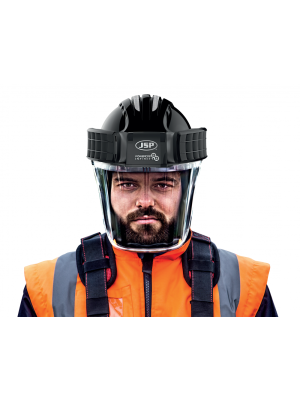
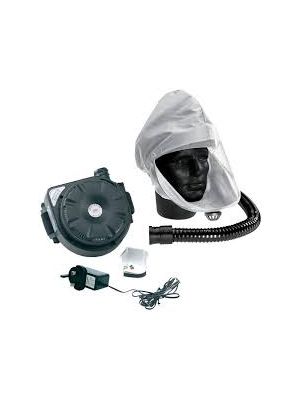
Not safely. Disposable dust masks, half masks and full face masks must seal against bare skin, and beards, stubble and long sideburns break that seal, letting unfiltered air leak in. Instead, use a powered air respirator with a loose-fitting hood, visor or helmet, which doesn’t rely on a face seal. See our dust masks for beard range.
02: Can I wear a mask with stubble or a goatee?
Usually not. HSE guidance says any facial hair across the sealing area, including stubble, prevents a tight-fitting mask from sealing properly. A goatee or moustache may be acceptable only if it stays clear of the seal and the wearer passes a face fit test. If you can’t be clean-shaven, choose a loose-fitting powered respirator.
03: What is the best dust mask for beards?
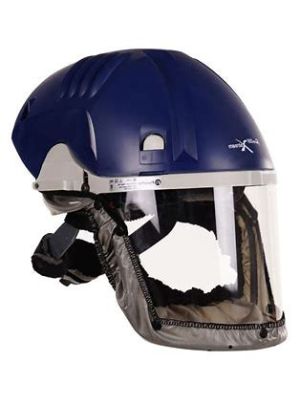
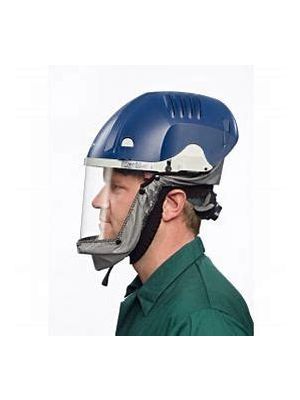
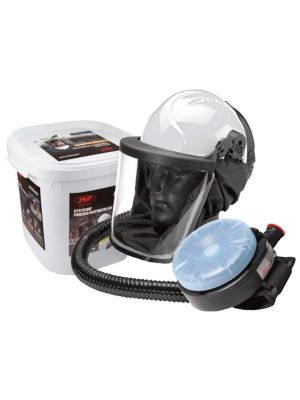
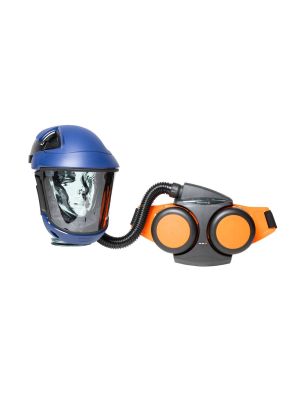
The best option is a powered air respirator (PAPR) with a loose-fitting hood, visor or helmet, because it works with facial hair and needs no face fit test. For dust, choose a unit with a P3 filter and a headtop suited to your task, such as a helmet for site work. Match the unit’s protection class to your risk assessment.
04: Is there a full face dust mask for beards?
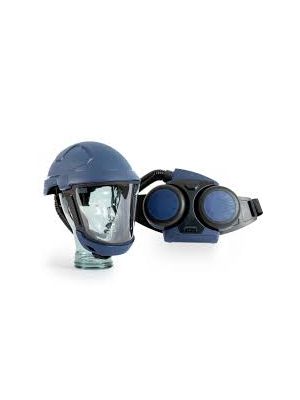
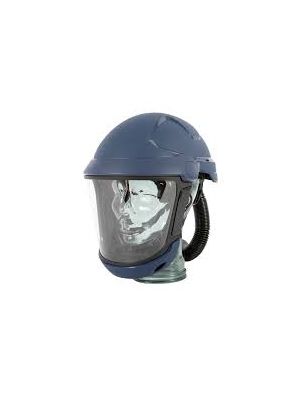
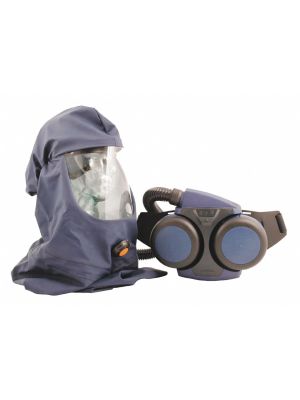
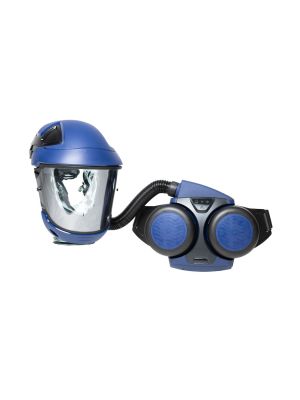
Not in the usual sense. Tight-fitting full face masks also need a seal against clean skin, so a beard stops them working. The equivalent is a powered respirator with a full face shield or hood, such as the Sundström SR 570 or SR 580 kits, which cover the face without sealing. Check each kit’s headtop and protection class.
05: How does a respirator mask for beards work?
A powered respirator uses a battery-powered fan to draw air through filters and blow clean air into a loose-fitting hood, visor or helmet. The constant airflow keeps clean air inside, so facial hair doesn’t need to seal. It also makes breathing easier and cooler. The filter, unit and headtop must be used as an approved combination.
06: Do I need a face fit test for a powered respirator?
No. Loose-fitting powered respirators with a hood, visor or helmet don’t rely on a face seal, so they don’t need face fit testing. You still need training, daily checks of airflow, battery and filters, and a suitable risk assessment. Tight-fitting powered masks do need fit testing.
07: Are powered respirators as protective as FFP3 masks?
Yes, or better. Under HSE guidance, a loose-fitting powered respirator classed TH2 has an assigned protection factor of 20, the same as an FFP3 mask, and TH3 has a factor of 40. Check the unit’s EN 12941 classification, as protection depends on the unit, filter and headtop used together.
08: Which powered respirator can I wear with a hard hat?
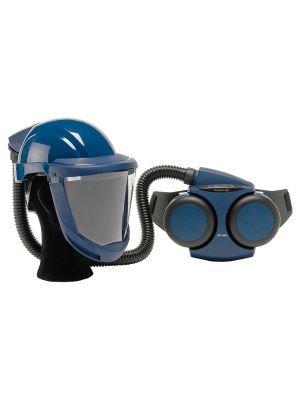
Choose a powered respirator with a helmet-style headtop or one designed to fit with a safety helmet. Our range includes the Sundström SR 575 industrial safety helmet with visor, and SR 500 kits with face shield or hood options. Check the headtop is certified as a combination with your unit, and that it meets EN 397 if it also acts as your helmet.
09: How long does a powered respirator battery last?
It depends on the model, battery type, filters and airflow setting. Many units run for around eight hours per charge, such as the Jetstream Switch & Go 8-hour unit. Charge the battery after every shift, replace filters when airflow drops or they’re damaged, and check the data sheet for exact run times and alarms.
10: Which powered respirator suits farming or explosive atmospheres?
For farm dust, such as grain, hay and animal housing, the PureFlo Purelite XStream Agricultural Pack is designed for agricultural use. In potentially explosive atmospheres you need ATEX-approved equipment, such as the Sundström SR 500 EX with SR 570 ATEX powered mask. Never use standard units where flammable gases or dust may be present.