Skip to Content
- Compare ()
- Email Us | Tel 01435 510749 | Monday - Friday / 9am - 5pm
- Contact Us
- BLOG
- Create an Account

FREQUENTLY ASKED QUESTIONS
01: What is the JSP Evo Vista Shield helmet used for?
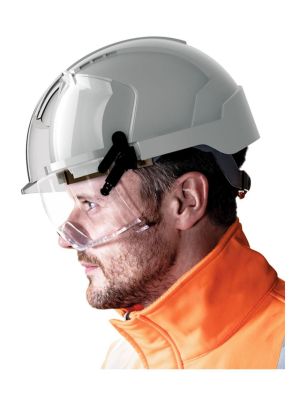
The JSP Evo Vista Shield helmet is an industrial safety helmet with an integrated, retractable visor, so head protection and eye and face protection come in one unit. It suits tasks with impact, debris or splash risks to the face, such as maintenance and construction. The Vista Lens version uses retractable glasses instead. Always check the markings that match your task’s hazards.
02: What is helmet mounted eye protection?
Helmet mounted eye protection is eye or face protection built into, or clipped onto, a safety helmet. Common types include retractable safety glasses and visors that flip down when needed. It keeps protection to hand, reduces lost or forgotten eyewear and works well for intermittent hazards. Check that the eye protection and helmet are certified to work together.
03: Safety glasses or goggles: which is better with a hard hat?
Safety glasses are lighter and suit general impact and dust risks. Goggles seal around the eyes, so they’re better for splashes, droplets and fine dust. Head safety glasses that retract into a helmet are convenient for intermittent hazards. Choose by your risk assessment, not comfort alone, and add a face shield where splash risk is high.
04: Which chemical goggles protect against splashes?
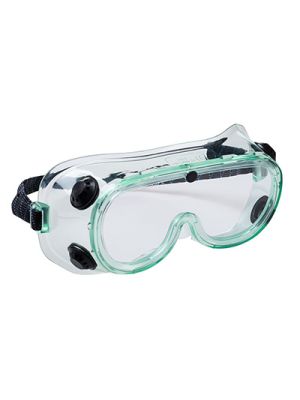
Chemical goggles seal around the eyes and have covered or no vents that stop liquid droplets and splashes getting in. Look for EN 166 marking 3 for liquids, and an anti-fog coating if you work in warm conditions. For serious splash or corrosive hazards, add a face shield, and check the goggles suit the specific chemical.
05: Goggles indirect vent vs direct vent: what’s the difference?
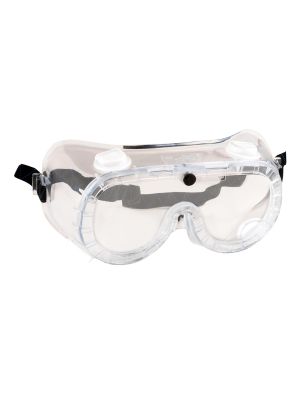
Indirect vent goggles have covered openings that let air circulate to reduce fogging while blocking liquid droplets and splashes. Direct vent goggles have open holes that suit dust and impact but not liquids. Unvented goggles are fully sealed for gases and fine dust. Indirect vent is the usual choice for light chemical splash.
06: What do the EN 166 markings on safety goggles and glasses mean?
EN 166 is the standard for eye protection. Field-of-use numbers show the hazard: 3 for liquid droplets or splashes, 4 for large dust particles and 5 for gas and fine dust. Letters show impact: F for low energy and B for medium energy. N means anti-fog and K means scratch resistant. Markings appear on the frame and lens.
07: Can I wear goggles over prescription glasses?
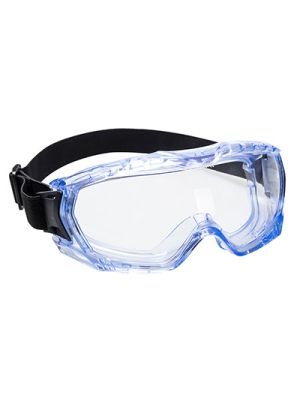
Yes, if the goggles are designed to fit over glasses. Look for over-spectacle or glasses-friendly goggles with enough internal room and a soft seal that doesn’t press the frames into your face. Ordinary prescription glasses aren’t safety eyewear, so don’t rely on them alone. Our range includes Ultra Vista goggles, which are glasses friendly.
08: What standard should head protection meet at work in the UK?
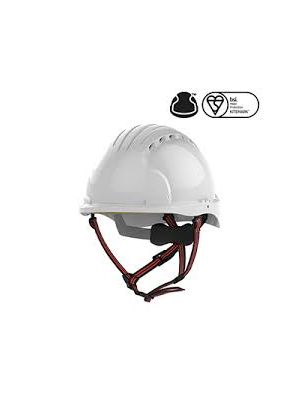
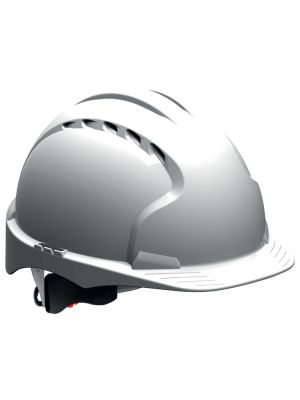
Industrial safety helmets should meet EN 397, which tests shock absorption and resistance to penetration. For work at height or climbing, look for EN 12492 as well. Employers must provide suitable head protection where a risk of head injury remains, under the Personal Protective Equipment at Work Regulations 1992. Our JSP Evo 5 Dualswitch suits industrial and climbing use.
09: How often should head protection be replaced?
Replace a safety helmet straight away after any significant impact, and if you see cracks, dents, deep scratches or fading. Otherwise follow the manufacturer’s service-life guidance, commonly several years from the manufacture date marked inside the shell. Don’t paint, drill or apply solvents, adhesives or stickers to a helmet, as this can weaken the shell.
10: Can I wear safety goggles or a visor with a respirator mask?
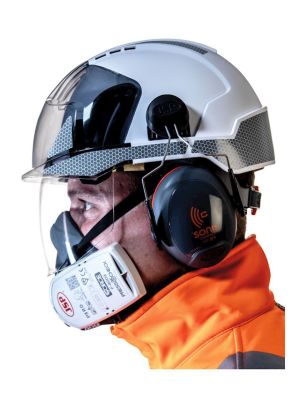
Yes, but test them together. Goggles can lift the edge of a half mask or fog from exhaled air, and a helmet visor can disturb mask straps. Choose a mask with a good nose fit, check seals with all PPE on, and consider a full face mask, which combines respiratory and eye protection.