FREQUENTLY ASKED QUESTIONS
01: What is a half face mask used for?
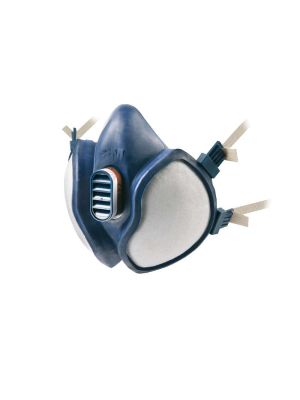
A half face mask covers the nose and mouth and uses filters, usually replaceable, to protect against dust, fumes, mist, gases or vapours, depending on the filter fitted. It suits trades such as construction, joinery, painting, cleaning and agriculture. It needs separate eye protection, a face fit test and filters matched to your hazard.
02: Half face respirator or disposable FFP mask: which is better?
Neither is better for every job. A half face respirator has replaceable filters, a durable facepiece and a wider range of protection, including gases and vapours, so it suits frequent or longer use. A disposable FFP mask is lighter and needs no upkeep, so it suits short or occasional dust tasks. Choose by hazard, duration and cost.
03: Half face respirator mask or full face mask: which do I need?
A half face respirator mask protects nose and mouth, is lighter and cheaper, and works with separate goggles. A full face mask also protects the eyes and face and gives a higher protection factor, 40 with P3 filters against 20 for a half mask. Choose full face for splash, eye irritants or higher exposure, and half face for general dust and low-level vapours.
04: What is the difference between the 3M 6000 and 7500 half masks?
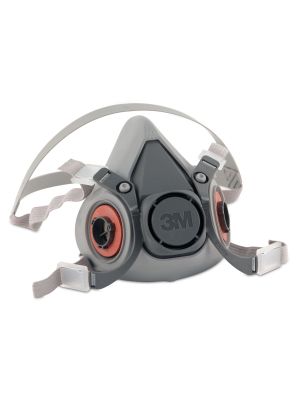
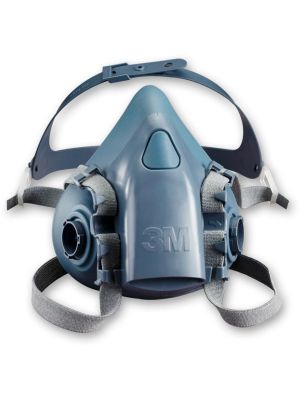
Both are reusable half masks that take replaceable filters. The 3M 6000 series uses a thermoplastic elastomer facepiece and is the economical choice. The 7500 series uses a softer silicone facepiece, which many wearers find more comfortable for long shifts. Both use 3M’s bayonet-fit filters, so fit test whichever you choose.
05: What are 3M 4251 and 4255 half face dust masks and respirators?
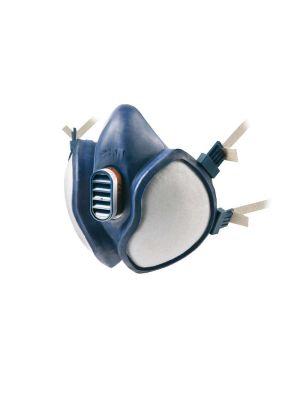
The 3M 4251 (A1 P2) and 3M 4255 (A2 P3) are maintenance-free half masks with permanently fitted filters that protect against organic vapours plus particles. You can’t change the filters, so you replace the whole mask when it clogs, gets damaged or you taste or smell contaminants. They suit occasional work where a replaceable-filter mask isn’t needed.
06: Which is the best half face dust mask for woodworking and construction?
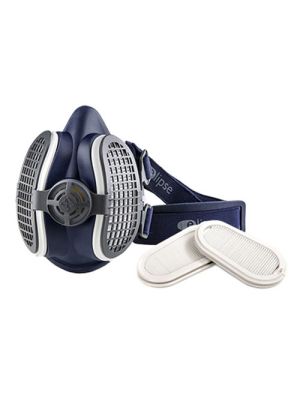
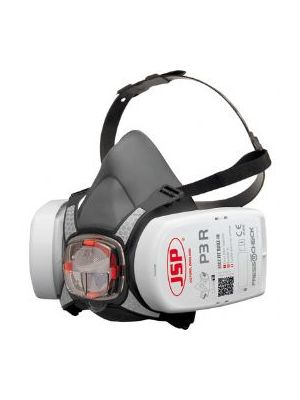
For most woodworking and construction dust, a half face dust mask with P3 filters gives a high level of protection, such as the 3M 6000 series, JSP Force 8 or Elipse P3 versions. Use P3 for hardwood, MDF, silica and concrete dust. Pick the mask that passes your face fit test, as fit matters more than brand.
07: Do half face masks come with filters?
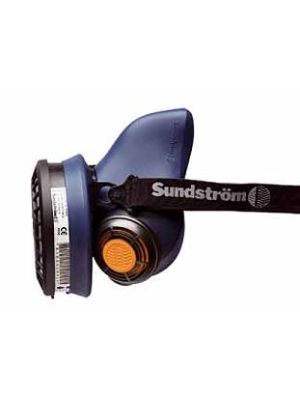
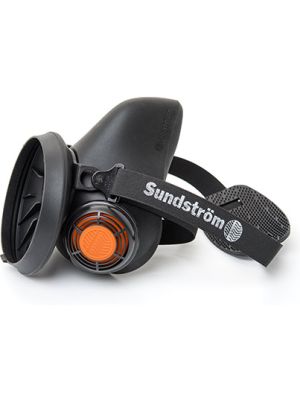
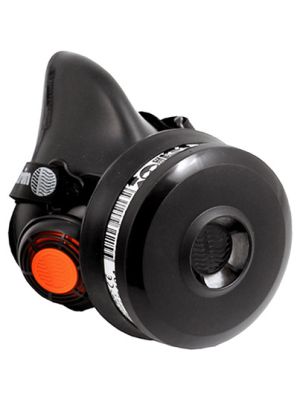
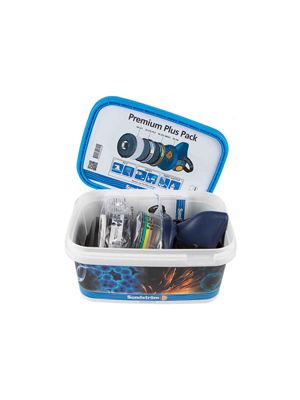
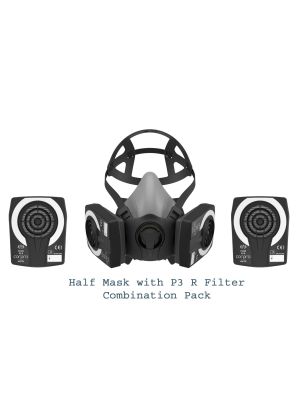
A7. Some do and some don’t. Several of our half masks, such as the JSP Force 8 with P3 cartridge, the FFP3 Half Mask and the Sundström SR100 with P3 filter, include filters. Others, such as the 3M 6000 and 7500 series, are sold as the mask only, so you add filters. Check each listing so you buy the right filters for your hazard.
08: How long do half mask filters last?
Particle filters last until breathing becomes harder, they’re damaged or wet, or the manufacturer’s limit is reached. Gas and vapour filters depend on concentration, humidity, temperature and your breathing rate, so replace them at the interval set in your risk assessment, and immediately if you taste or smell contaminants. Store unused filters sealed in clean, dry conditions.
09: How do I put on and check a half face respirator?
Place the mask over your nose and chin, pull the upper strap over your head and the lower strap behind your neck, and tighten both evenly. Then check the seal: cover the filters and breathe in, or cover the exhalation valve and breathe out. If air leaks, readjust and repeat. Beards and stubble stop the mask sealing.
10: Can I wear a half face mask with safety glasses and a hard hat?
Usually yes, as half face masks leave the eyes and forehead free. Check that glasses sit properly without lifting the mask edge, and that hard hat straps or visors don’t pull the head straps out of position. Choose a low-profile mask if you use goggles or a visor, and do a seal check with all PPE on.