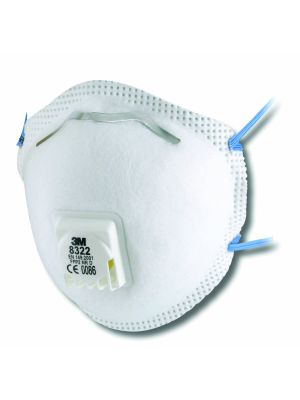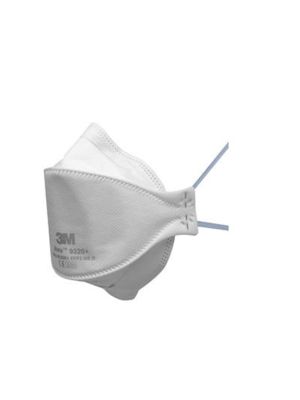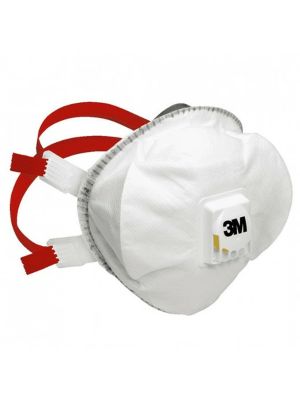
3m Masks

Choosing the Right Respiratory Protection with 3M Masks

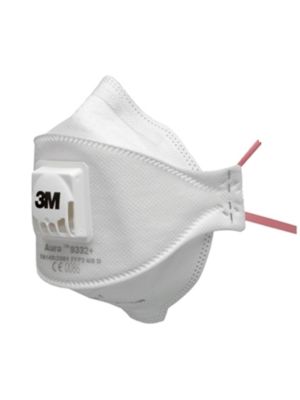
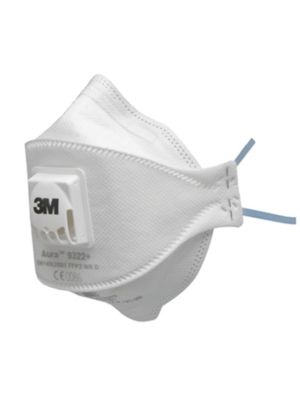
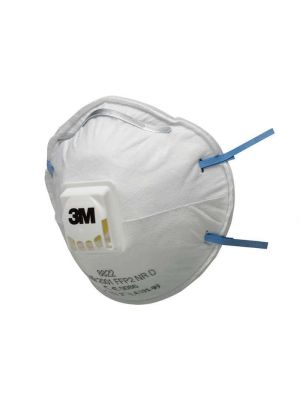
When it comes to respiratory protection, 3M is a brand that needs no introduction. With a wide range of options designed to safeguard against dust, particles, and various airborne hazards, 3M masks have become a trusted choice for professionals across different industries. In this guide, we will explore the versatility and effectiveness of 3M masks, including their popular 3M dust masks, 3M face masks, and the high-performance FFP3 masks.

  • The type of airborne contaminant
  • The concentration of the contaminant
  • The duration of exposure
  • Your comfort and preferences
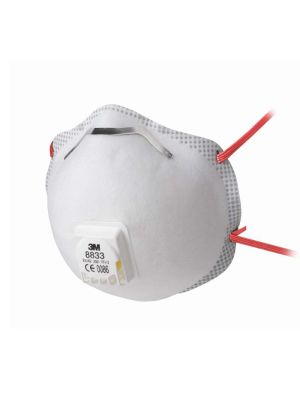
Filters
Set Descending Direction

Items 1-12 of 24

Page
per page
View as Grid List
Filters
Set Descending Direction

Items 1-12 of 24

Page
per page
View as Grid List

3M Masks: Adaptable Options for Every Requirement

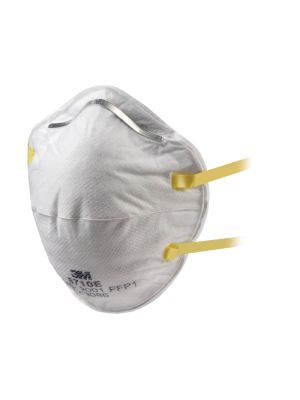
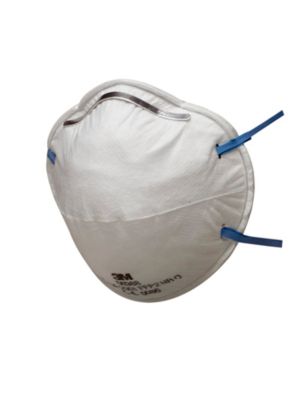
3M Dust Masks: For individuals operating in environments with moderate dust and particle exposure, 3M dust masks provide dependable protection. These masks are engineered to filter out typical airborne particles, making them appropriate for a variety of applications, from construction zones to carpentry.

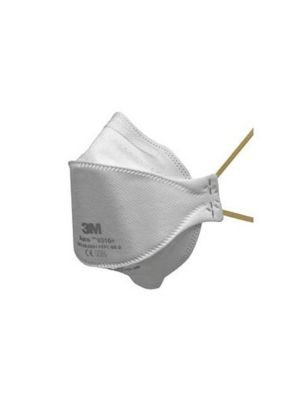
3M Face Masks: When comprehensive facial protection is necessary, 3M face masks are a preferred option. These masks not only offer exceptional particle filtration but also ensure a snug and comfortable fit. This makes them perfect for healthcare professionals, providing both security and user-friendliness.

Key features of 3M respirator masks:

  1. High Filtration Efficiency: 3M respirator masks offer excellent filtration capabilities to protect against various airborne particles, allergens, and hazardous agents.
  2. Comfortable Fit: These masks prioritize user comfort with adjustable straps, cushioning, and ergonomic designs for a secure and pleasant fit.
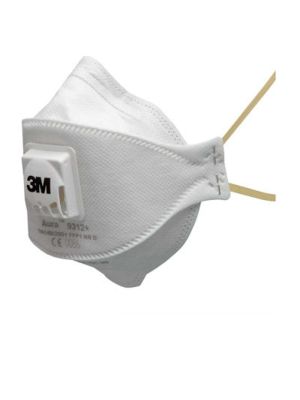
  3. Exhalation Valves: Many models feature exhalation valves for easier breathing, reducing heat and moisture buildup.
  4. User-Friendly Design: 3M respirators are easy to don and doff, ensuring quick and hassle-free use.
  5. Various Protection Levels: A range of protection levels, from basic dust masks to high-performance FFP3 masks, cater to specific needs.
  6. Durable Construction: 3M masks are constructed with high-quality materials to withstand challenging conditions.
  7. Compatibility with Accessories: These masks are compatible with filter cartridges and protective eyewear, offering customization options.
  8. Certifications and Standards: Many 3M masks are certified to meet industry standards and regulations, ensuring their performance.
  9. Multiple Sizes: Different mask sizes accommodate various users, optimizing comfort and sealing.

Whether you are safeguarding against dust or more severe airborne threats, choosing 3M means choosing quality, performance, and peace of mind.

For the best selection of 3M masks, including 3M FFP3 masks, visit RespiratorShop.co.uk today and discover the ideal respiratory protection for your needs.

FREQUENTLY ASKED QUESTIONS

01: Which respirator mask brand is best?

No single brand is best for every job. Reputable respirator brands such as 3M, Moldex, JSP, Sundström, Portwest and Alpha Solway certify products to the same EN standards, so choose by hazard, fit, comfort and filter availability. The best mask is one that suits your risk assessment and passes your face fit test.

02: What standards must respirator masks from different brands meet?

Disposable masks must meet EN 149, half masks EN 140, full face masks EN 136 and particle filters EN 143. Gas filters follow EN 14387. Respirators must carry CE or UKCA marking. Whatever the brand, check the standard printed on the product, as it shows what the mask was tested for.

03: How can I tell if 3M masks or Moldex masks are genuine?

Buy from an authorised distributor, as counterfeit respirators exist. Check the packaging and mask for the correct brand markings, the EN standard, CE or UKCA marking with a body number, and a batch or lot number. Be wary of prices far below normal, spelling errors or missing instructions, and report suspected fakes to the manufacturer.

04: Do I need a new face fit test if I change mask brand?

Yes. Face fit testing is specific to the make, model and size of the mask, because shapes differ between brands. If you switch to a different brand or model, test again before use. Keep records of each test, and retest if the wearer’s face changes significantly.

05: Can I use one brand’s filters on another brand’s respirator?

Generally no. Filters are designed and approved as a system with a specific mask, and fittings differ between brands. Mixing them can break the seal and invalidate the approval. Only use filters the mask manufacturer lists as approved for that mask, and match the type and class to your hazard.

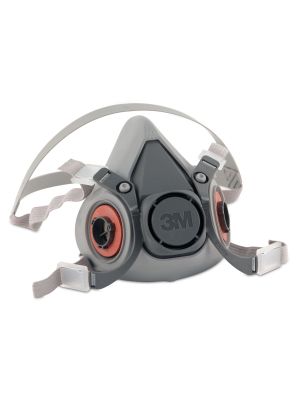
06: What filters fit the 3M 6000 series half mask?

The 3M 6000 series half mask uses 3M bayonet-fit filters. Common options include 6035 for particles (P3), 6051 for organic vapours (A1), 6055 for organic vapours (A2) and 6059 for multiple gases (ABEK1). Match the filter to your hazard and check the full range in our mask filters category.

07: What is the difference between FFP3 and P3 masks?

FFP3 is the EN 149 rating for disposable masks, which filter at least 99% of airborne particles. P3 is the EN 143 class for particle filters on reusable masks, with at least 99.95% efficiency. Some listings, including Moldex masks, use P1, P2 or P3 as shorthand, so check the EN 149 marking on the mask.

08: Which brands make reusable half masks and full face respirators?

Our reusable range includes half masks from 3M, Sundström and JSP, and full face masks from Portwest. Reusable masks use replaceable filters, so compare filter range, spare parts and running costs before choosing a brand. Match the mask and filter to your hazard, and make sure each wearer passes a face fit test.

09: Do respirator masks come in different sizes by brand?

Yes. Sizing varies by brand and model. Disposable masks are often sold as S/M or M/L, while reusable half masks typically come in small, medium and large. A size that suits one brand may not fit in another, so use the manufacturer’s sizing guidance and face fit test each mask before relying on it.

10: Should I standardise on one mask brand across my workplace?

Standardising on one or two models simplifies training, fit testing, stock control and filter ordering. However, no single mask fits every face, so offer a small range of models or sizes and fit test each worker. Record which model each person uses, and reorder the same model to avoid mismatches.