Skip to Content
- Compare ()
- Email Us | Tel 01435 510749 | Monday - Friday / 9am - 5pm
- Contact Us
- BLOG
- Create an Account

FREQUENTLY ASKED QUESTIONS
01: What class of hi vis workwear do I need?
Hi vis workwear is classed 1 to 3 under EN ISO 20471, based on the minimum area of fluorescent and reflective material. Class 3 gives the highest visibility and usually means sleeved garments such as jackets, class 2 suits many vests, and class 1 is for low-risk areas. Roadside, rail and site rules may specify a class, so check your risk assessment.
02: Is it a legal requirement to wear hi vis at work?
There is no single law requiring hi vis workwear everywhere. Under the Personal Protective Equipment at Work Regulations 1992, employers must provide suitable PPE where a risk assessment shows it is needed, such as near moving vehicles or plant, or in poor light. Many sites also make hi vis mandatory in their own rules.
03: Hi vis vests or a hi vis jacket: which should I choose?
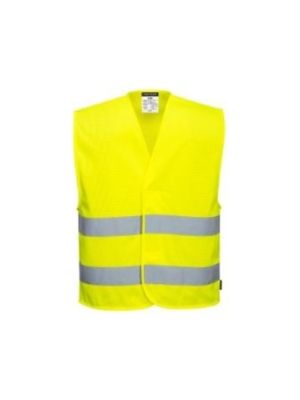
Hi vis vests are light, cool and low-cost, so they suit warm weather, short tasks and wearing over existing clothing. A hi vis jacket gives sleeved visibility plus warmth and weather protection, so it suits cold, wet or higher-risk work. Check the EN ISO 20471 class for either, and follow your site rules.
04: What should I look for in a hi vis waterproof jacket?
Check it meets EN ISO 20471 for visibility and EN 343 for protection from rain and wind. Look for taped seams, a storm flap over the zip, an adjustable hood or collar and breathable fabric to limit sweat build-up. Make sure the reflective tape stays visible when the jacket is fastened.
05: Why does hi vis workwear have reflective strips?
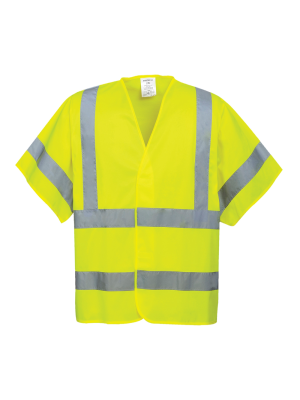
Hi vis workwear uses two materials. The fluorescent background fabric makes you stand out in daylight, dawn and dusk. Reflective strips bounce vehicle headlight beams back towards the driver, so you are visible in darkness. EN ISO 20471 sets minimum areas for both, so don’t cover them with bags or other clothing.
06: How do I wash hi vis vests, and when should I replace them?
Wash hi vis vests as the care label states, usually at low temperatures with no bleach or fabric softener, and avoid high-heat tumble drying. Replace them when the colour fades, the reflective tape cracks, peels or is heavily stained, or the wash-cycle limit on the label is reached. A faded vest no longer gives the protection it was rated for.
07: Do I need a large workplace first aid kit?
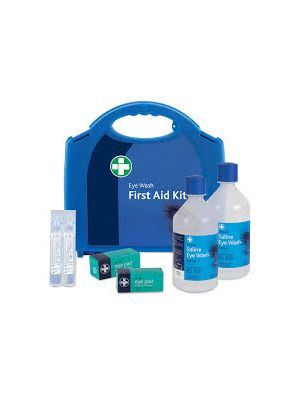
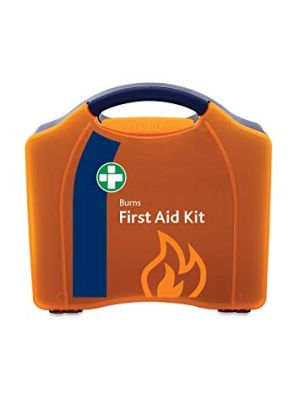
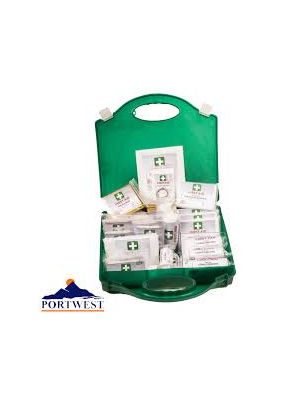
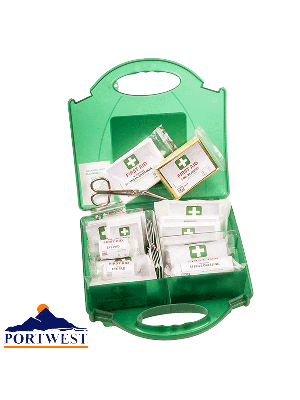
The Health and Safety (First-Aid) Regulations 1981 require employers to assess their first-aid needs rather than prescribing a kit size. BS 8599-1 workplace kits come in small, medium and large sizes, and a large workplace first aid kit suits bigger workforces, higher-risk sites or multiple work areas. Add extras, such as burns dressings or eye wash, if your hazards need them.
08: Do I legally need a vehicle first aid kit in the UK?
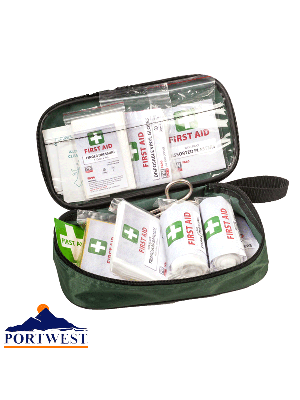
Not for private cars in the UK, though carrying one is sensible. Employers should cover work vehicles in their first-aid needs assessment, and some vehicles, such as buses and coaches, must carry a kit. Several European countries require a vehicle first aid kit, so check before driving abroad. Our vehicle first aid kit is a compact option.
09: What should an automotive first aid kit contain?
An automotive first aid kit should include assorted plasters, sterile dressings, bandages, gloves, scissors, a foil blanket and a resuscitation face shield, plus a guidance leaflet. For work vehicles, check the kit meets BS 8599-2, and add items your journeys need. Keep it accessible, not buried under luggage, and check expiry dates regularly.
10: Which hi vis colour is better: yellow or orange?
Both meet EN ISO 20471 when certified. Yellow is the standard choice for most UK sites and roadwork, while orange stands out better against green backgrounds such as foliage, and is typically required for rail work. Follow your site or industry rules, and choose the colour that contrasts best with your surroundings.