FREQUENTLY ASKED QUESTIONS
01: What is the difference between a dust mask and a respirator mask?
A dust mask is a basic pad that only gives comfort against non-toxic nuisance dust. A respirator mask, such as an FFP2 or FFP3 mask, half mask or full face mask, is tested to a recognised standard and carries a stated filtration level. If you are exposed to hazardous dust, mist, fumes or spores, use a certified respirator, not a basic dust mask.
02: What are the different types of masks and respirators?
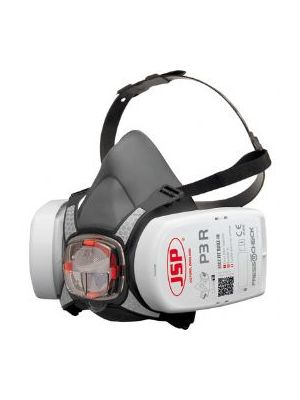
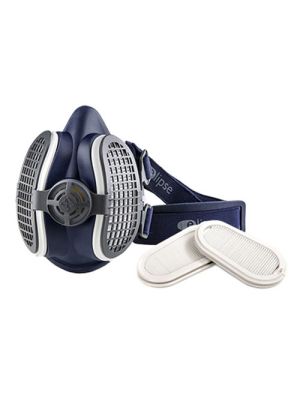
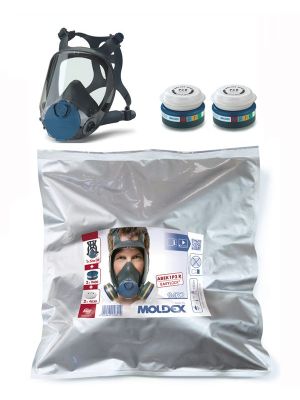
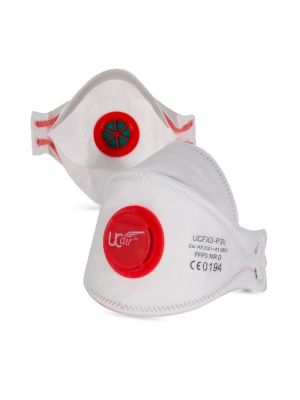
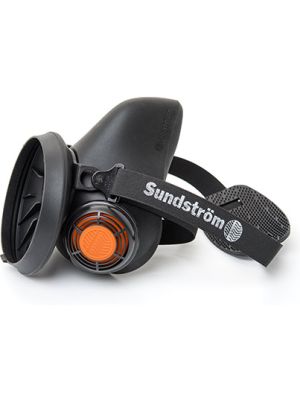
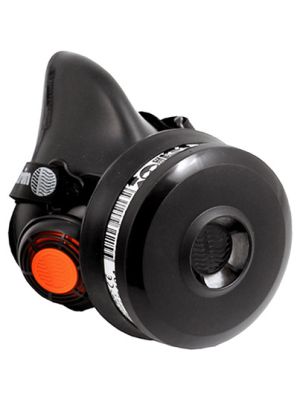
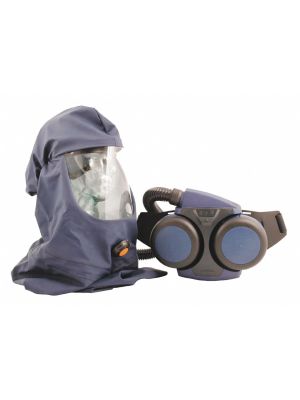
The main types of protective mask are disposable FFP1, FFP2 and FFP3 masks, reusable half masks with replaceable filters, full face masks that also protect the eyes, and powered air respirators that deliver filtered air through a fan. The right choice depends on the hazard, how long you wear it and whether you can achieve a good face seal.
03: Which protective mask do I need: FFP1, FFP2 or FFP3?
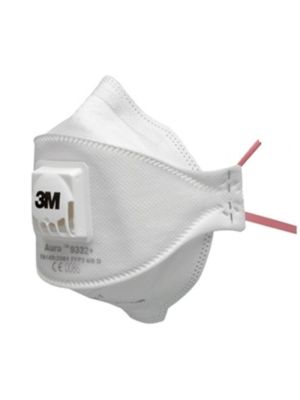
Under EN 149, FFP1 masks filter at least 80% of airborne particles, FFP2 at least 94% and FFP3 at least 99%. FFP1 suits low-risk nuisance dust, FFP2 suits many fine dusts and mists, and FFP3 offers the highest protection in a disposable mask. Match the rating to your risk assessment and workplace exposure limits.
04: Do I need a face fit test for a respirator mask?
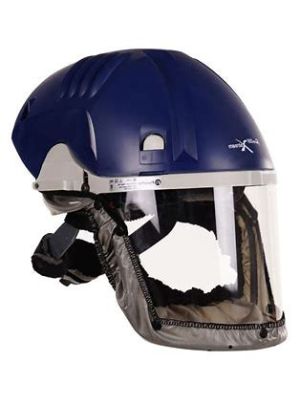
Yes, if you wear a tight-fitting mask at work. HSE guidance says disposable masks, half masks and full face masks must be face fit tested to the wearer to confirm an adequate seal. Loose-fitting powered hoods and helmets don’t need one. Face fit testing kits are available in our protective masks range.
05: Can I wear a respirator mask with a beard?
No, not safely with a tight-fitting mask. HSE guidance says stubble and beards stop disposable masks, half masks and full face masks sealing to the face. If you need to keep a beard, use a loose-fitting powered air respirator with a hood or helmet, which doesn’t rely on a face seal. See our dust masks for beard collection.
06: Is a reusable breathing mask better than a disposable one?
A disposable breathing mask is lightweight, needs no maintenance and suits short or occasional jobs. Reusable half and full face masks cost more upfront, but you only replace the filters, so they are usually more economical for regular use and allow gas and vapour filters to be fitted. Choose based on the hazard, how often you wear it and comfort.
07: What filter do I need for a half face or full face mask?
Match the filter to the hazard. Letters show the type: A (brown) organic vapours, B (grey) inorganic gases, E (yellow) acid gases, K (green) ammonia and P (white) particles. Numbers 1 to 3 show capacity, and P1 to P3 show particle efficiency. Check the filter is compatible with your mask and your risk assessment.
08: Is a valved or non-valved respirator mask better?
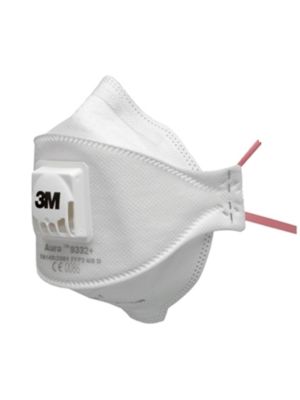
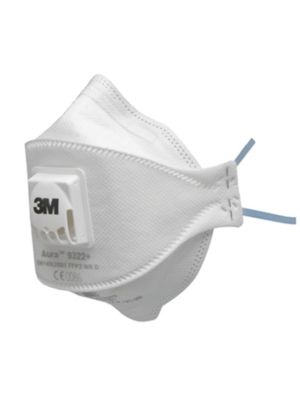
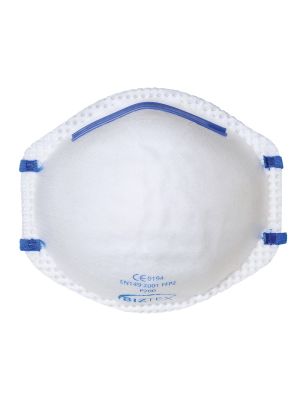
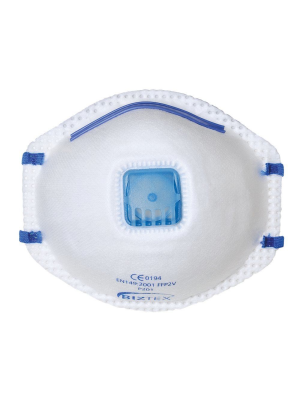
Valved masks have an exhalation valve that lets warm, moist breath out easily, so they run cooler and feel more comfortable over long periods. Unvalved masks filter both inhaled and exhaled air. The valve protects the wearer but doesn’t filter exhaled breath, so choose unvalved if you also need to protect people nearby.
09: Does a protective face mask protect against viruses?
FFP2 and FFP3 respirators filter fine airborne particles, including those carrying viruses, when they fit properly. Surgical masks mainly protect others from the wearer’s breath and aren’t tight-fitting respirators. Fabric face coverings are not PPE. For airborne infection protection, choose a correctly fitted FFP2 or FFP3 mask.
10: How often should I change a respirator mask or its filters?
Replace a disposable mask after one shift, or sooner if it becomes damp, damaged or harder to breathe through. Reusable mask filters should be changed when breathing becomes difficult, or if you taste or smell contaminants. Follow the manufacturer’s instructions and your risk assessment for filter change intervals, especially for gas and vapour filters.