Are you confident that the FFP3 mask your team is wearing is actually the right one for the job? Many businesses make the mistake of treating respiratory protection as a one-size-fits-all purchase. Using the wrong mask for the wrong environment can be just as dangerous as wearing no mask at all. According to the HSE, work-related lung disease costs the UK economy an estimated £188 billion every year, with inadequate or unsuitable RPE being a contributing factor across multiple industries.
Selecting the right mask requires more than picking the highest-rated option on the shelf. Industry, hazard type, fit, certification, and wearability all play a role in determining which product will genuinely keep your workers protected. Keep scrolling to find out how to get this decision right.
What Is an FFP3 Mask and When Do You Need One?
FFP3 is the highest filtration class within the European standard for filtering facepiece respirators. An ffp3 face mask must filter at least 99% of airborne particles. It includes fine dusts, mists, fumes, and biological agents. In fact, it is a go-to choice for high-risk environments where FFP1 or FFP2 would not provide sufficient protection.
You need an FFP3-rated respirator when you are working with or around:
- Asbestos fibres and other carcinogenic dusts
- Fine silica dust from cutting, grinding, or drilling
- Radioactive particles or biological hazards
- Toxic metal fumes such as lead or cadmium
- Any substance where workplace exposure limits (WELs) require the highest level of respiratory control
Why Choosing the Right FFP3 Mask Matters
Not all FFP3 dust masks are interchangeable. Choosing the wrong type, even within the FFP3 category, can result in poor fit, inefficient filter saturation, and discomfort. These factors would lead to mask removal or inadequate protection against the specific hazard present in your workspace. You will face consequences in legal terms of regulatory non-compliance, as well as suffer from long-term occupational illness.
| Wrong Mask Choice | Potential Consequence |
|---|---|
| Disposable mask in continuous heavy-dust environments | Filter saturates quickly; reduced breathability and protection |
| Half mask without a correct filter cartridge | Wrong filtration for the hazard type present |
| Incorrectly sized facepiece | Face seal failure; contaminated air bypasses the filter |
| Non-certified product | No guaranteed filtration standard; legal non-compliance |
Why Industry Type Determines Your FFP3 Mask Choice
Different industries expose workers to different hazards, durations, and conditions. In such a case, you need to choose your mask based on your specific industry. Here’s why it is important:
- Hazard type varies by sector: Construction has silica dust, the manufacturing industry produces metal fumes, and healthcare involves biological agents. Each industry needs a different mask configuration.
- Shift length affects filter choice: A disposable mask is good for a two-hour task. But it could be entirely inadequate for an eight-hour shift in the same workplace.
- Physical demands influence breathability needs: Workers performing heavy manual labour need masks with lower breathing resistance. It helps to avoid fatigue and mask removal between shifts
- Environmental conditions matter: Heat, humidity, and outdoor exposure all affect how comfortable employees are in masks throughout a shift.
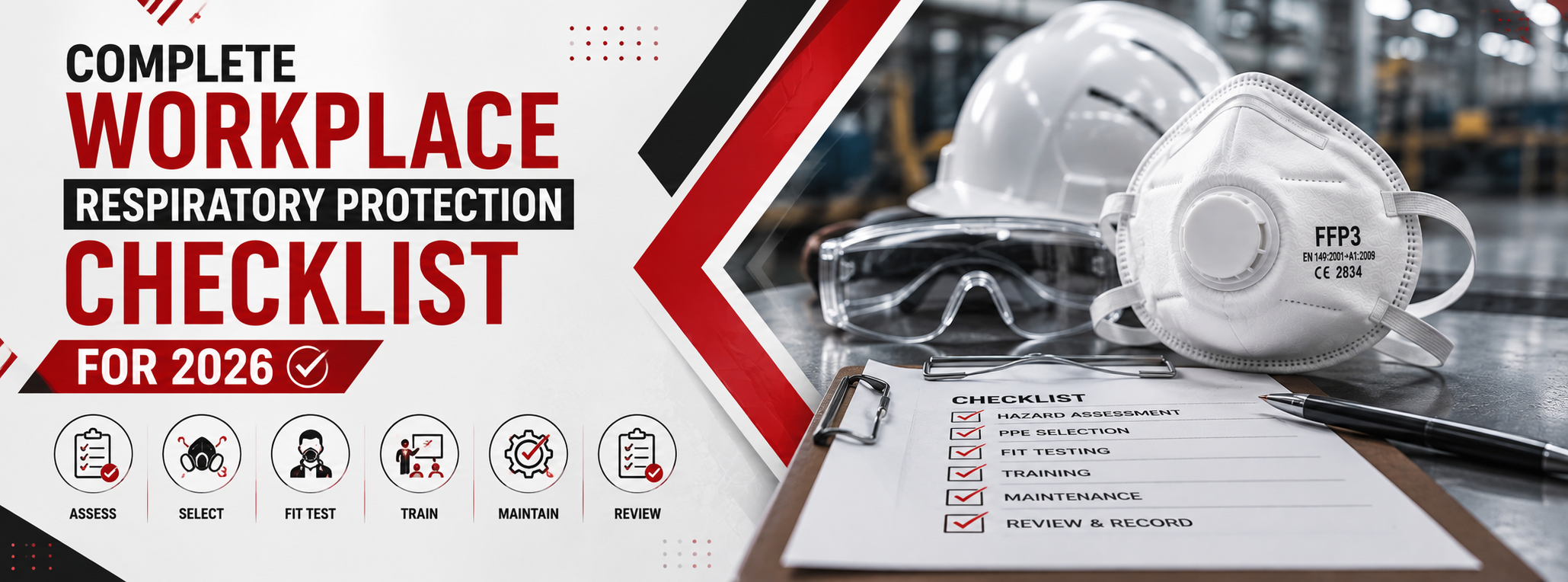
- Other PPE affects mask selection: Safety glasses, hard hats, hearing defenders, and visors all interact with the face seal. Your mask must be compatible with the full PPE you will wear on site.
How to Choose the Right FFP3 Mask for Your Industry
To choose the right FFP3 mask for your industry, you need to go through the following five steps.
Find the Type of Airborne Hazard
You need to check the Safety Data Sheets (SDS) of the substances that your staff come into contact with. Then you need to cross-reference the SDS with the Workplace Exposure Limits (WEL) provided by the HSE. Different airborne hazards, such as biological, chemical, radiological, or particulate exposure, demand different types of masks. For example:
- Fine Dust (Silica, Wood, Flour): FFP3 disposable or reusable masks with P3 particulate filter
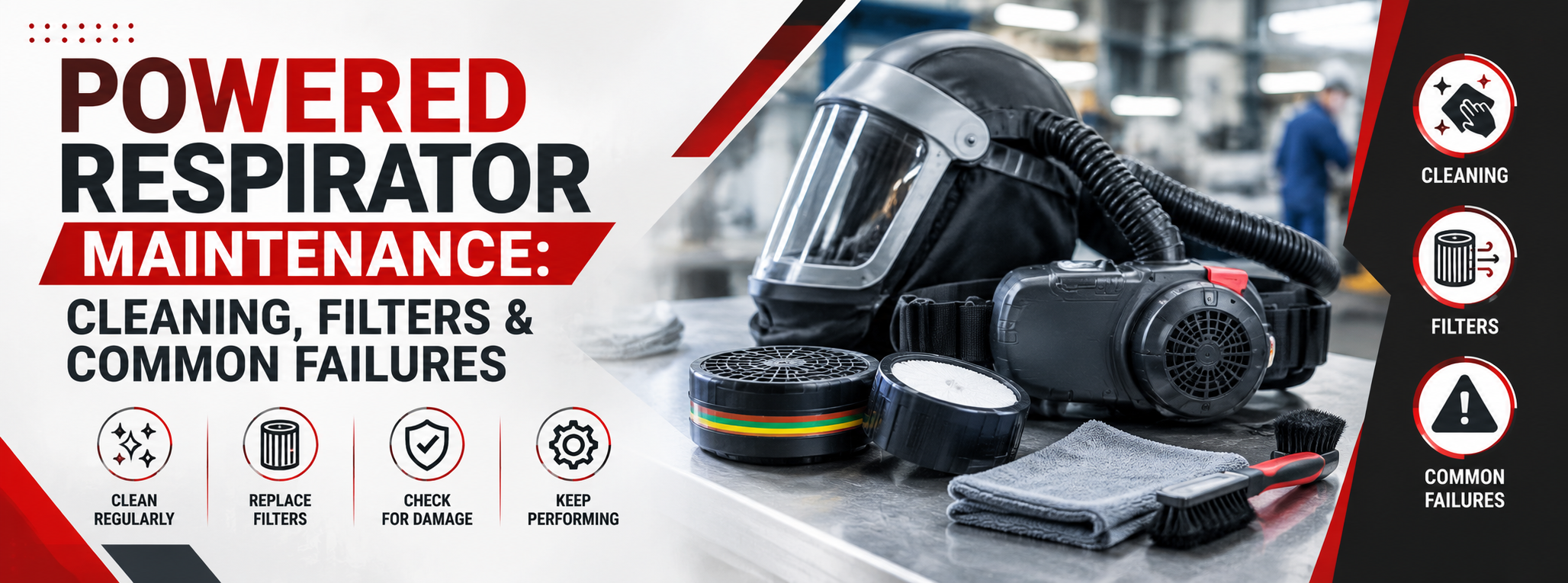
- Chemical Vapours and Gases: Reusable half masks with P3 + gas-specific filter cartridges
- Biological Hazards: FFP3-rated tight-fitting facepiece respirator with confirmed viral efficiency
- Asbestos: FFP3 minimum rating; often in combination with a PAPR.
Consider the Mask Type
You can choose between FFP3 disposable dust masks and reusable respirators. For example:
| Mask Type | Best For | Key Advantage |
|---|---|---|
| FFP3 disposable dust masks | Short-duration tasks, varied sites | No cleaning required, but it has better hygiene |
| Reusable half mask | Daily use, longer shifts | Cost-effective with replaceable filters |
| Full face respirator | High-risk environments | supports multiple filter types |
Check Certification and Safety Standards
Any protective mask sold in the UK must comply with EN 149:2001+A1:2009 for FFP-rated disposables, or EN 140/EN 136 for reusable half and full face respirators. Always verify that the product carries the correct CE or UKCA marking before purchase. Avoid unverified or uncertified products regardless of price. Non-compliant masks offer no guaranteed level of protection and create serious legal risk.
Evaluate Comfort and Fit
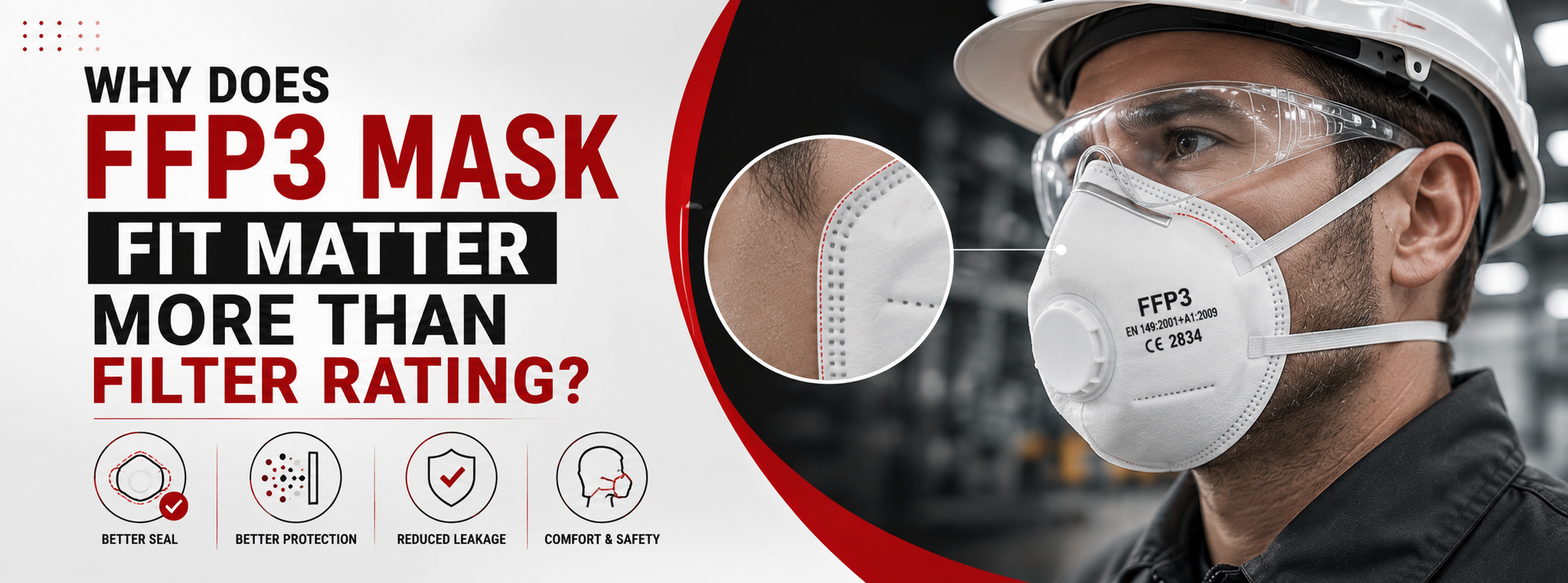
A mask that workers find uncomfortable cannot be worn consistently for a long time. Similarly, a mask worn incorrectly offers no meaningful protection. Look for adjustable straps, a pliable nose bridge, and low breathing resistance. For workers wearing the mask for extended periods, lightweight designs and ventilated options can help with compliance. Keep in mind that a comfortable mask is one that actually gets used.
Choose Trusted Brands
Make sure to purchase the masks from established and reputable manufacturers. A 3M mask is one of the most widely recognised options in industrial respiratory protection. When you purchase from trusted brands, you get a broad range of FFP3 disposable and reusable products and access to proper product guidance and compliance support.
Industries Where FFP3 Masks Are Required
These industries have legally defined airborne hazards, and the minimum requirement for protection is FFP3 masks.
- Construction and Demolition: In the construction and demolition business, grinding and cutting activities release dust particles into the air. It is a must for all workers to wear FFP3 masks during work.
- Asbestos Removal: Asbestos removal involves disturbing asbestos products, and during the process, asbestos fibres are released into the environment. The minimum requirement for asbestos removal work is to wear FFP3 masks.
- Manufacturing and Industrial Work: Manufacturing and industrial work involve different types and amounts of fumes and chemical dust, depending on the task. A half mask, which is reusable and has replaceable filters, is the best for industrial work.
- Waste Management: In the waste management business, workers are constantly exposed to germs, toxic dust, and fumes during the course of their work. It is best to wear a new FFP3 mask for each shift.
Tips to Ensure Maximum Protection
Small habits make a significant difference to the real-world performance of any respirator. Here’s how you can ensure better protection with your FFP3 face mask:
- Always conduct a fit check each time the mask is put on. Cover the mask, exhale gently, and check for air escaping around the edges.
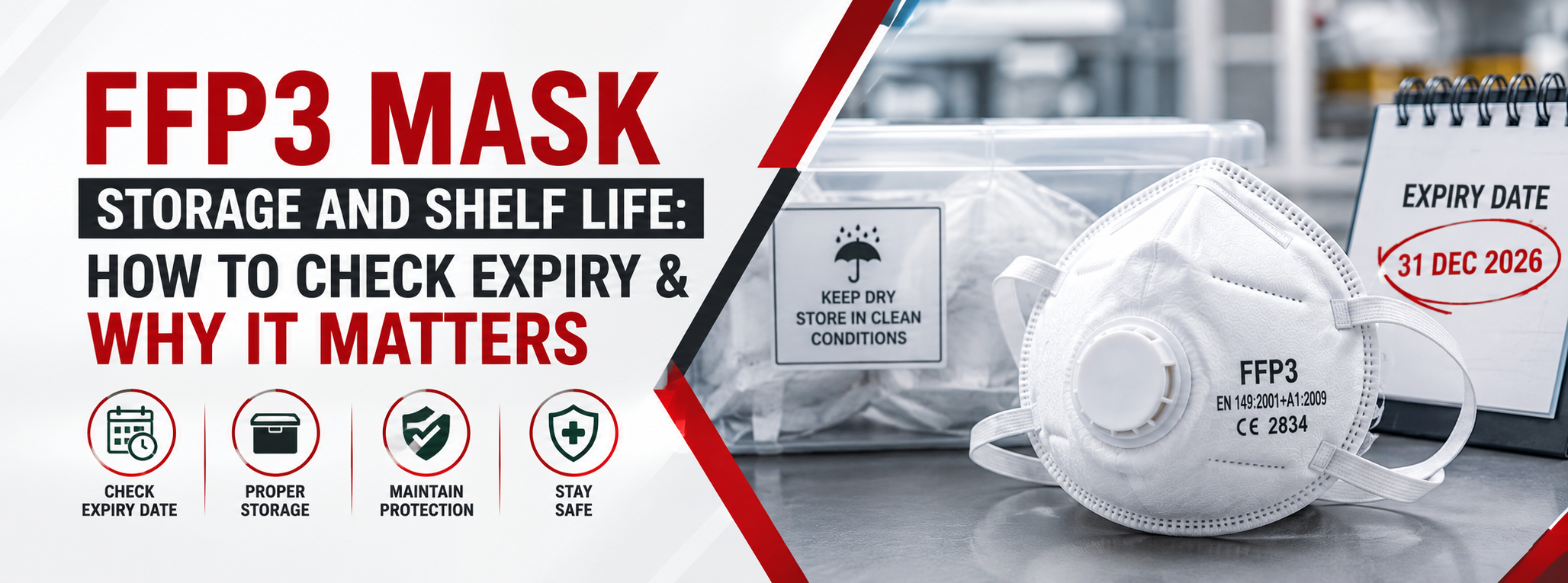
- Keep disposable and reusable masks in clean, sealed bags away from dust, moisture, and direct sunlight
- Train workers on correct donning and doffing procedures. improper removal can expose the wearer to contaminants
- Never wear a mask over stubble or a beard. Facial hair prevents the seal from forming correctly
Conclusion
Choosing the right FFP3 face mask protects workers from long-term occupational illness. It also keeps your business compliant and maintains a reputation in the industry. Whether you need a lightweight FFP3 disposable dust mask or a robust half mask respirator for daily industrial use, understand your workplace hazards to make the right choice.
Browse the full range of certified FFP3 face mask options at Respirator Shop for every industry category. Our team will help you find the right fit for your workforce, your site, and your compliance requirements.
FAQs
What is the difference between FFP2 and FFP3 masks?
FFP2 filters 94% of particles. But FFP3 filters 99% and is suitable for higher-risk work environments with asbestos, carcinogens, and biological agents.
Is a 3M mask the same as an FFP3 mask?
3M mask is a brand. Not all 3M products are FFP3-rated. So always check the product specification and certification before purchase.
Can I use the same FFP3 face mask for different industries?
A standard FFP3 face mask covers many particulate hazards. But chemical or biological environments may need specific filter cartridges.
How often should I replace an FFP3 disposable mask?
FFP3 disposable dust masks must be replaced after every shift. You should also replace them sooner if damp, soiled, or damaged. Never reuse a single-use mask.
Are reusable FFP3 masks better than disposable masks?
Reusable masks are more cost-effective for daily use; FFP3 disposable dust masks are better for short tasks.