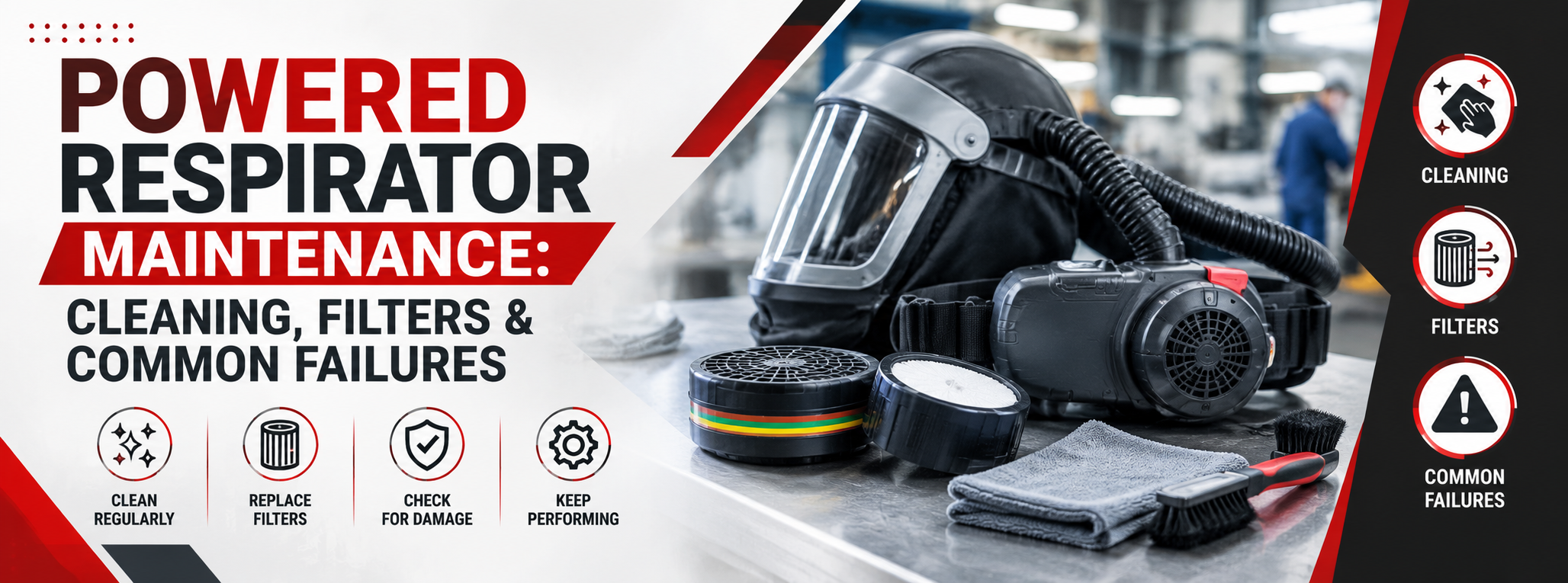
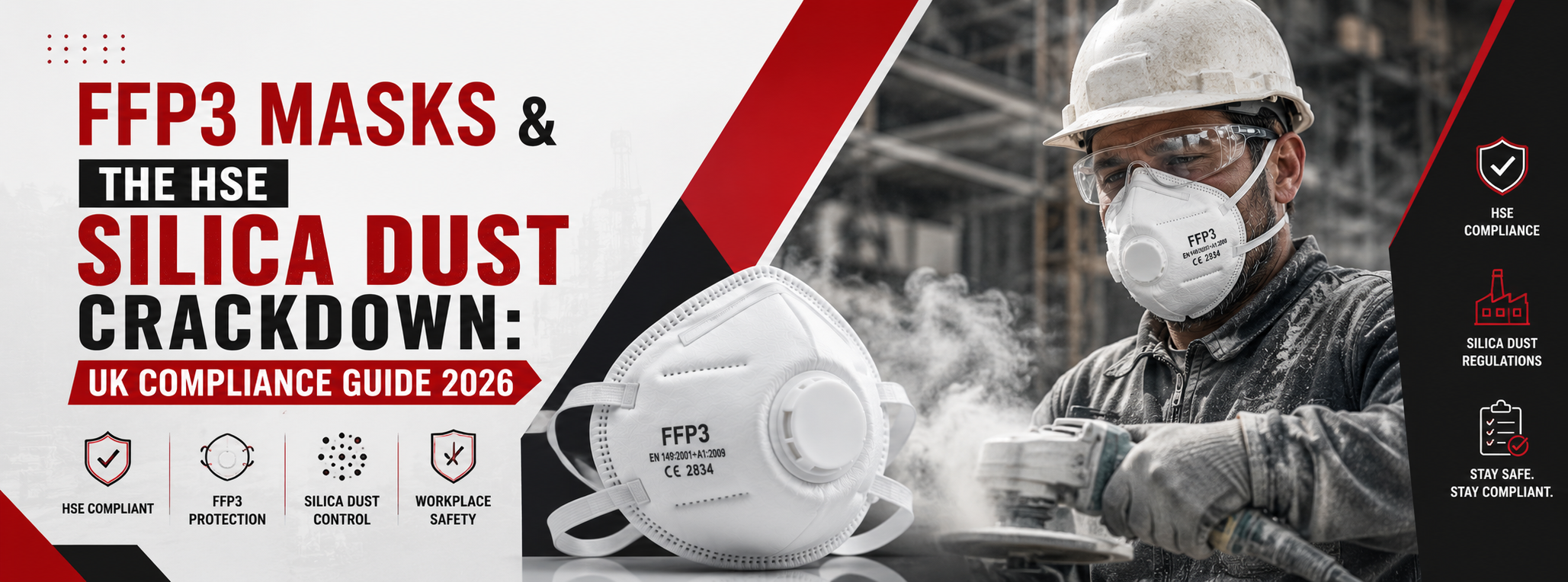
Does your powered respirator mask still deliver the airflow it did when new? Most workers assume yes. The unit switches on, the fan hums, and that feels like proof enough. It is not. Filters load gradually over weeks of dust exposure. Batteries lose capacity with every charge cycle. Seals perish quietly out of sight inside the hose connectors. None of these failures announces themselves clearly, and the wearer rarely notices the drop. Under COSHH, employers must keep RPE in efficient working order
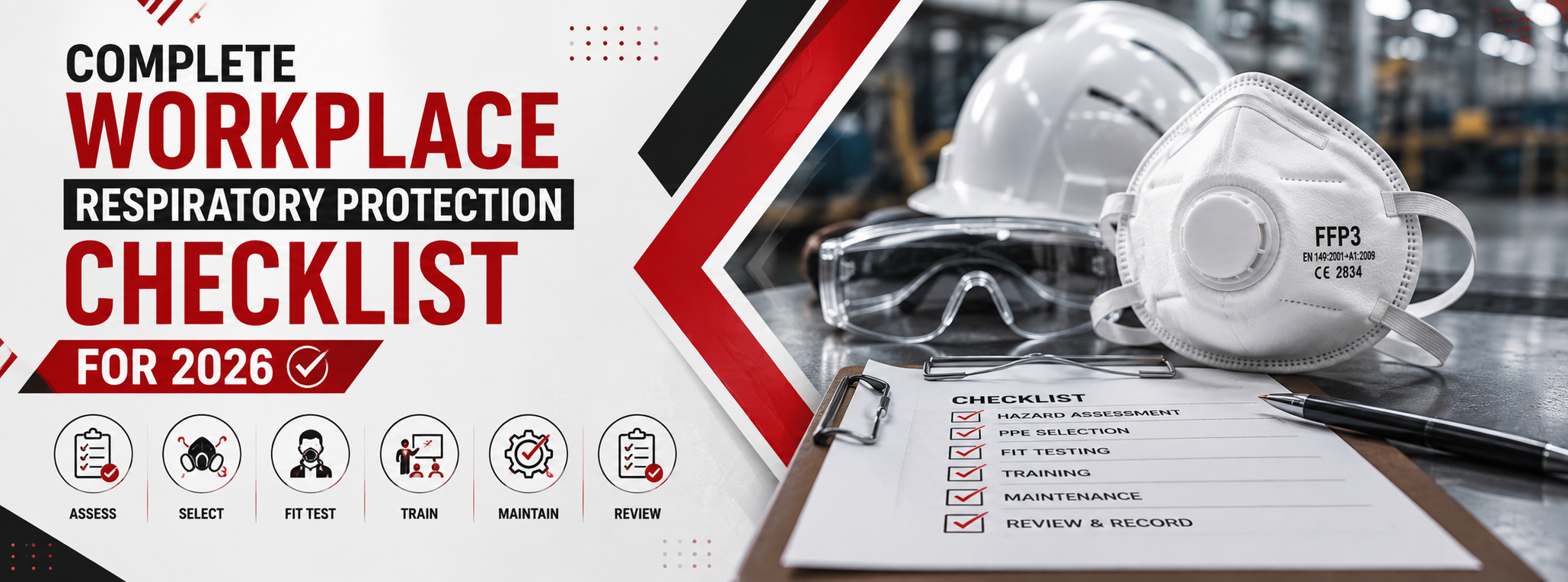
Workplace air isn’t always as safe as it looks. Dust, fumes, vapours and fine particles can be present at hazardous levels without being visible, which is why Respiratory Protective Equipment (RPE) is one of the most important and most misunderstood categories of PPE.
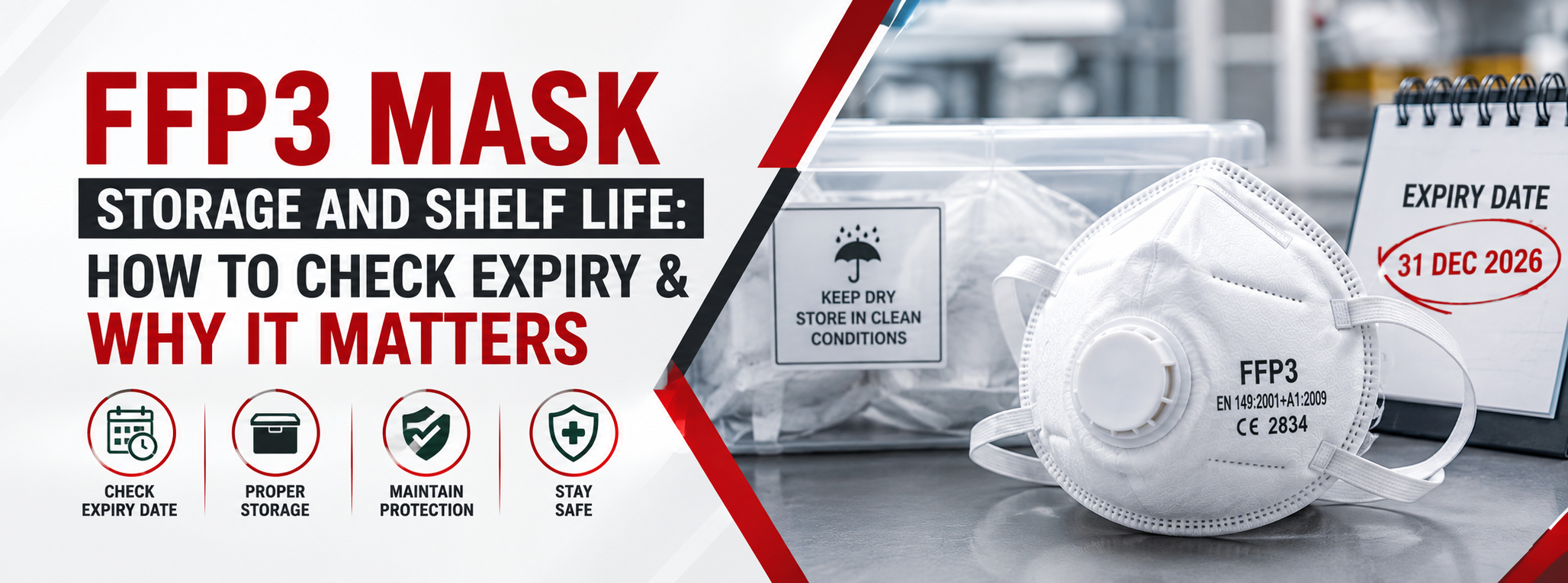
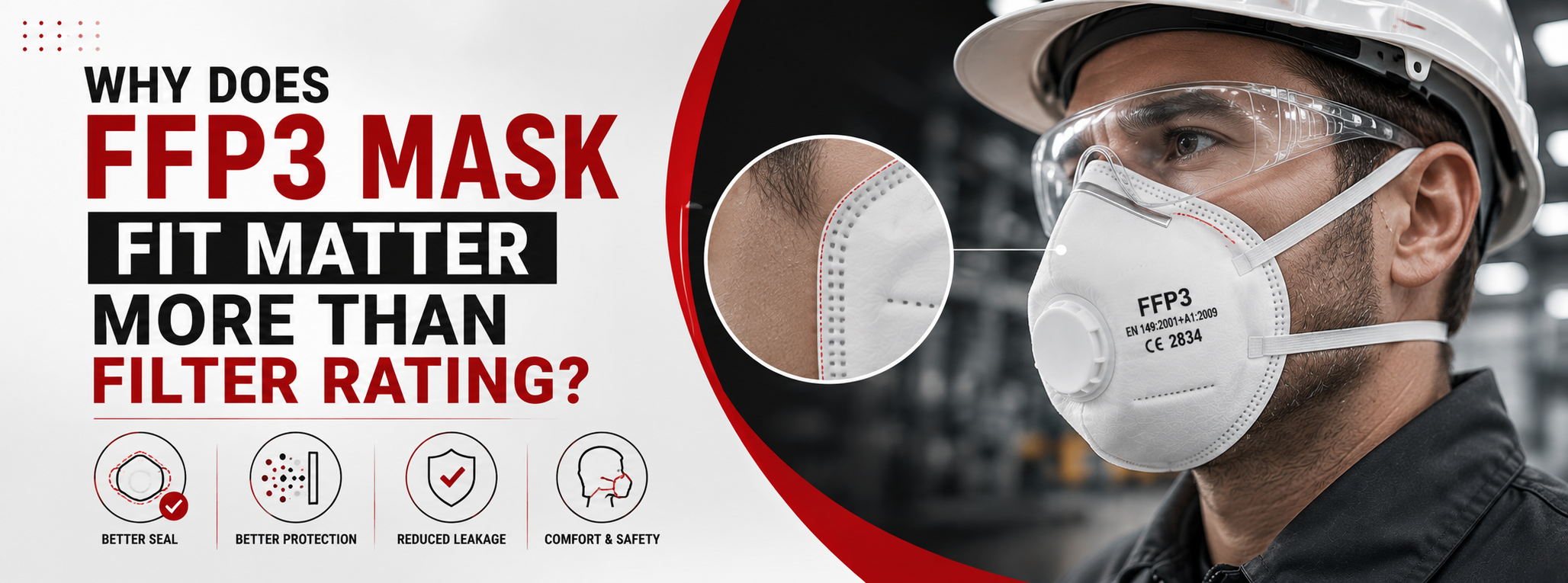
Respiratory protection equipment plays an important role in protecting workers’ health in areas where airborne hazards pose serious threats to safety. The traditional masks, FFP3, were effective as they provided 99% of filtration efficiency, but some limitations made it difficult to use.
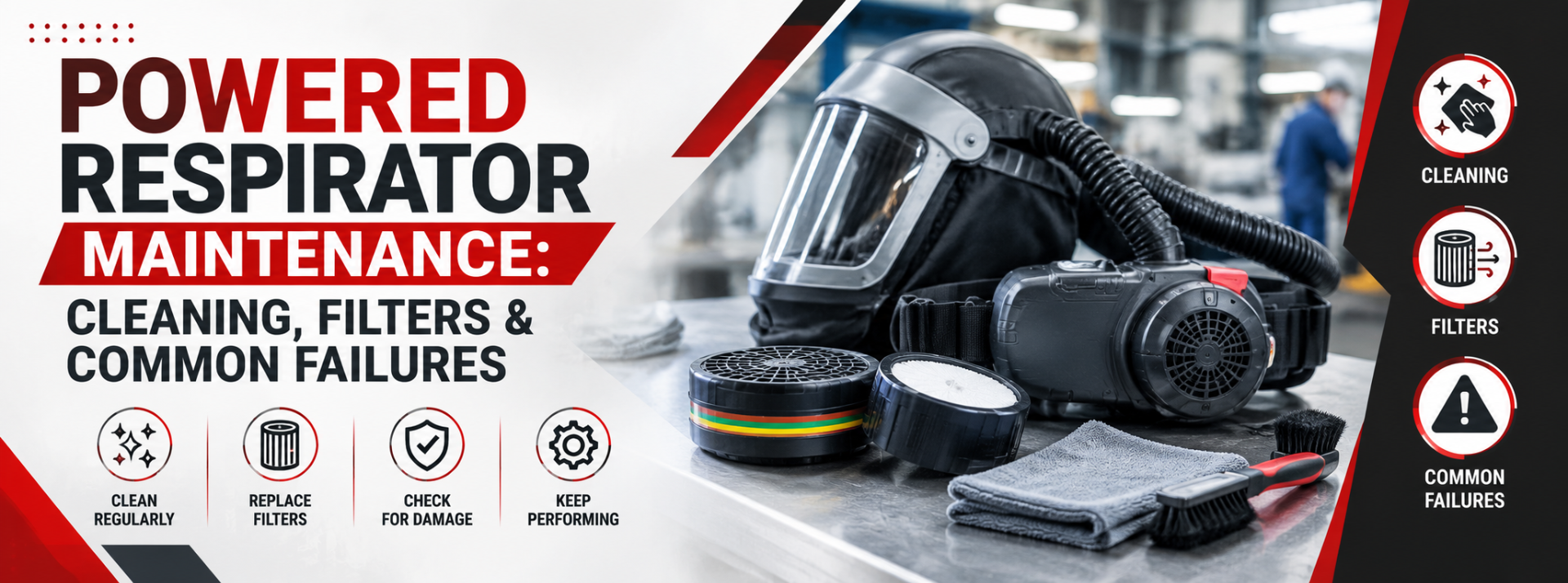
Powered respirators are essential gear for workers working in environments with compromised air quality. Standard air-purifying respirators depend upon the user’s lung capacity to take the air in for breathing, but powered air-purifying respirators come with air-fed respirators that work through the use of the blower to draw the air through the mask. It reduces the pressure on the user’s lungs to take the air in, making it easier for the user to breathe.
Respirators are essential devices that workers from different industries wear to protect themselves from insufficient oxygen, harmful dust, fogs, mists, gases, vapours, sprays, and smoke. Since respirators are used across different industries, like healthcare, construction, and manufacturing, respirators come in different types to provide the appropriate level of protection depending upon the environment and hazard levels.

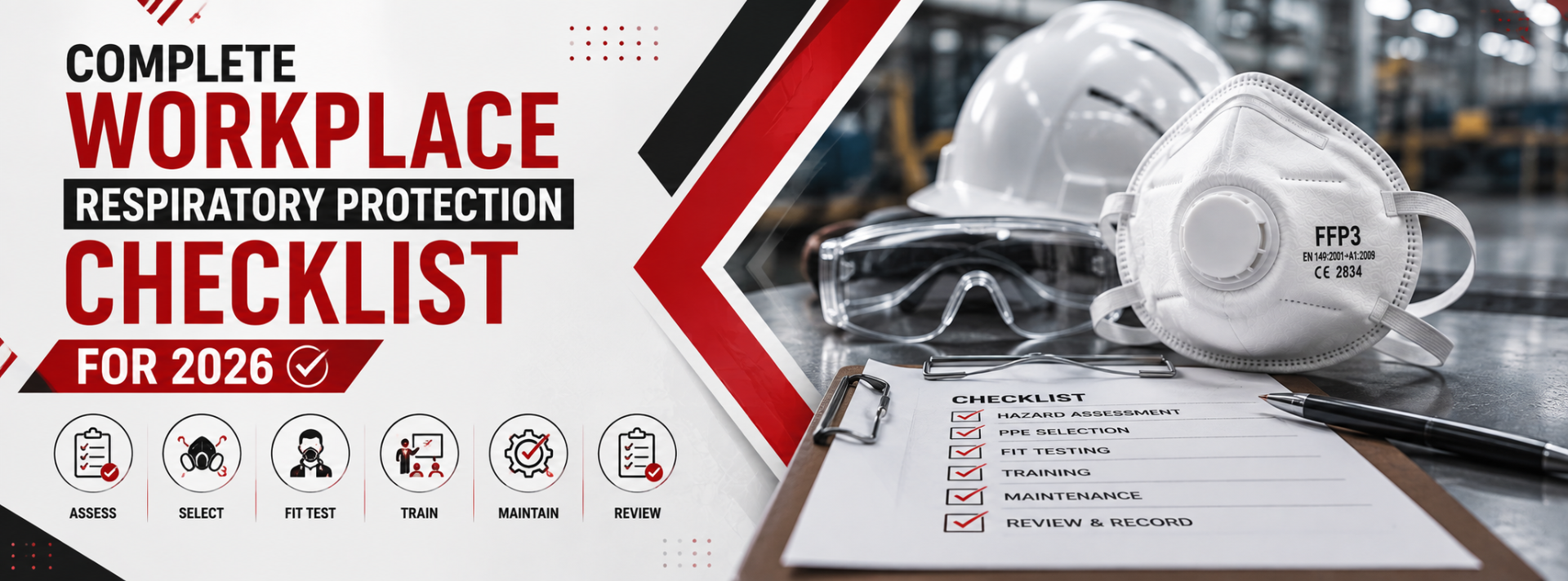 Workplace air isn’t always as safe as it looks. Dust, fumes, vapours and fine particles can be present at hazardous levels without being visible, which is why Respiratory Protective Equipment (RPE) is one of the most important and most misunderstood categories of PPE.