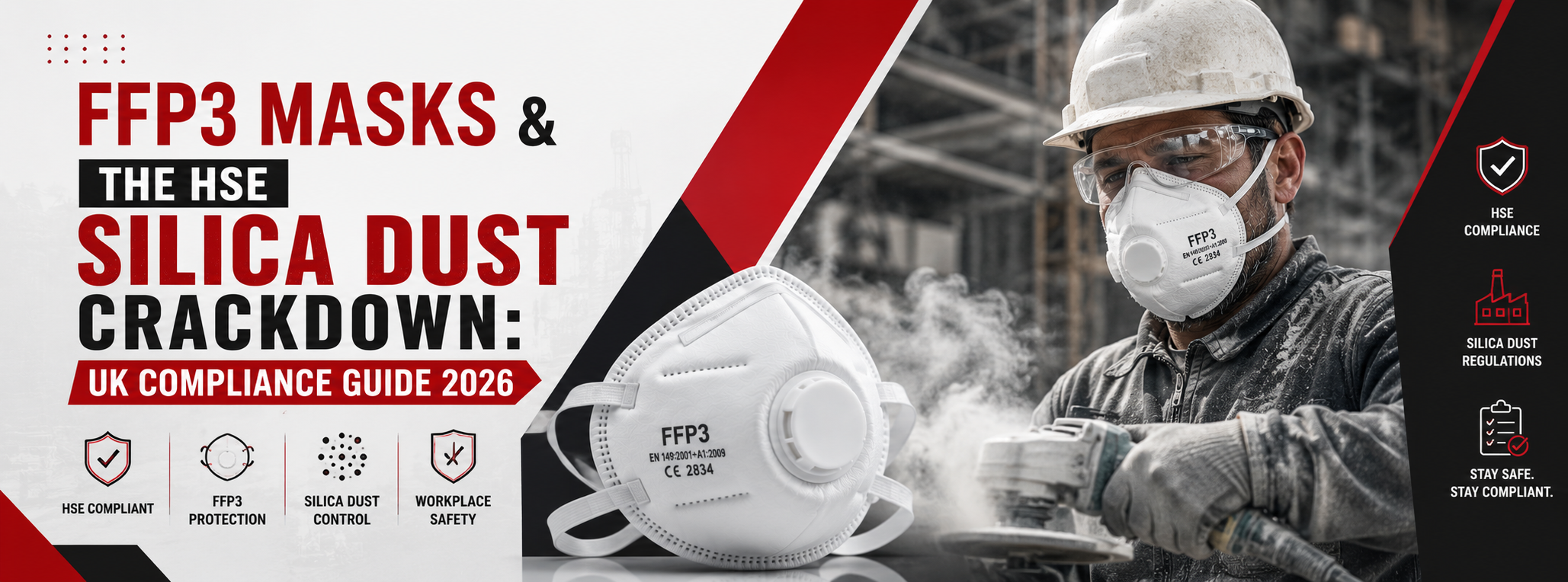
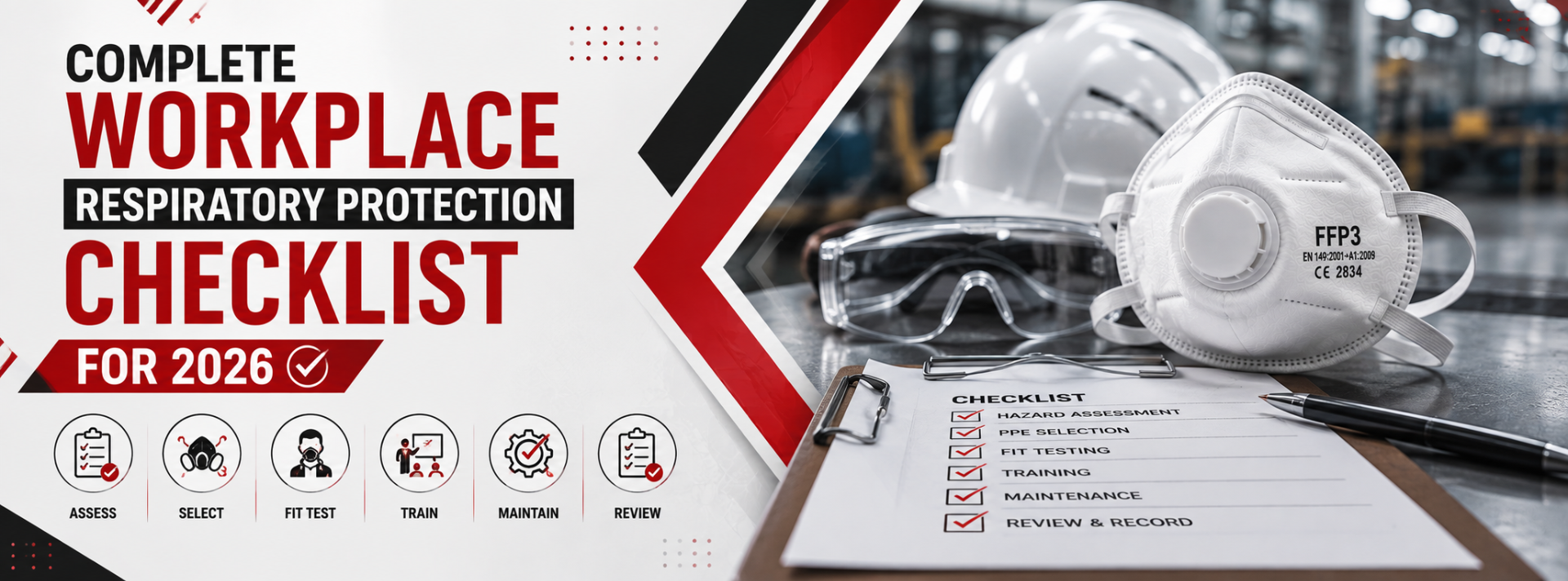
Workplace air isn’t always as safe as it looks. Dust, fumes, vapours and fine particles can be present at hazardous levels without being visible, which is why Respiratory Protective Equipment (RPE) is one of the most important and most misunderstood categories of PPE.
As 2026 compliance standards tighten across UK workplaces, getting your RPE right isn’t optional. This checklist provides a step-by-step guide to what respiratory protection is, the main types of respirator masks available, and how to select, wear and maintain them properly.
What is Respiratory Protective Equipment (RPE)?
Respiratory Protective Equipment, or RPE, is equipment that is designed to protect the wearer from the inhalation of harmful airborne contaminants such as dust, mists, fumes, gases and vapours. It can be a simple disposable respirator or a powered respirator mask or air-fed mask. RPE is only effective if correctly matched to the hazard, properly fitted and backed by trained, competent use.
Why Respiratory Protection Matters in the Workplace?
Poor PPE compliance is still a major issue in UK industry, and failure to wear the correct RPE is a recurring theme in workplace audits. As per findings published in BSIF’s new white paper, 82% of Personal Protective Equipment (PPE products)sourced from non-registered suppliers failed to meet the required standards during testing in 2025.
Unlike a cut on the skin, lungs cannot heal themselves after being exposed to toxic dust for a long time, so getting respirator selection right from the outset protects workers from irreversible harm and protects employers from compliance failures.
Types of Workplace Respirators Explained
Different workplace hazards require different levels and types of respiratory protection. Here’s a list of all workplace respirators that can be used depending on the specific hazards and conditions of the job:
- Disposable Respirators – Single-use filtering facepieces (FFP1, FFP2, FFP3) suited to dust, particulates and, at FFP3 grade, fine aerosols of about 0.3 microns.
- Half Face Respirator – Fits snugly over the nose and mouth and takes replaceable P3 filters, making it a practical choice for dust, fumes and lower-level chemical hazards at work.
- Reusable Respirators – Half or full-face respirators that can be worn repeatedly across shifts on recurring tasks, offering cost savings over time compared to disposable respirators.
- Full Face Respirators – Cover the entire face, combining respiratory protection plus eye protection - useful when there are irritant vapours or splash hazards also present.
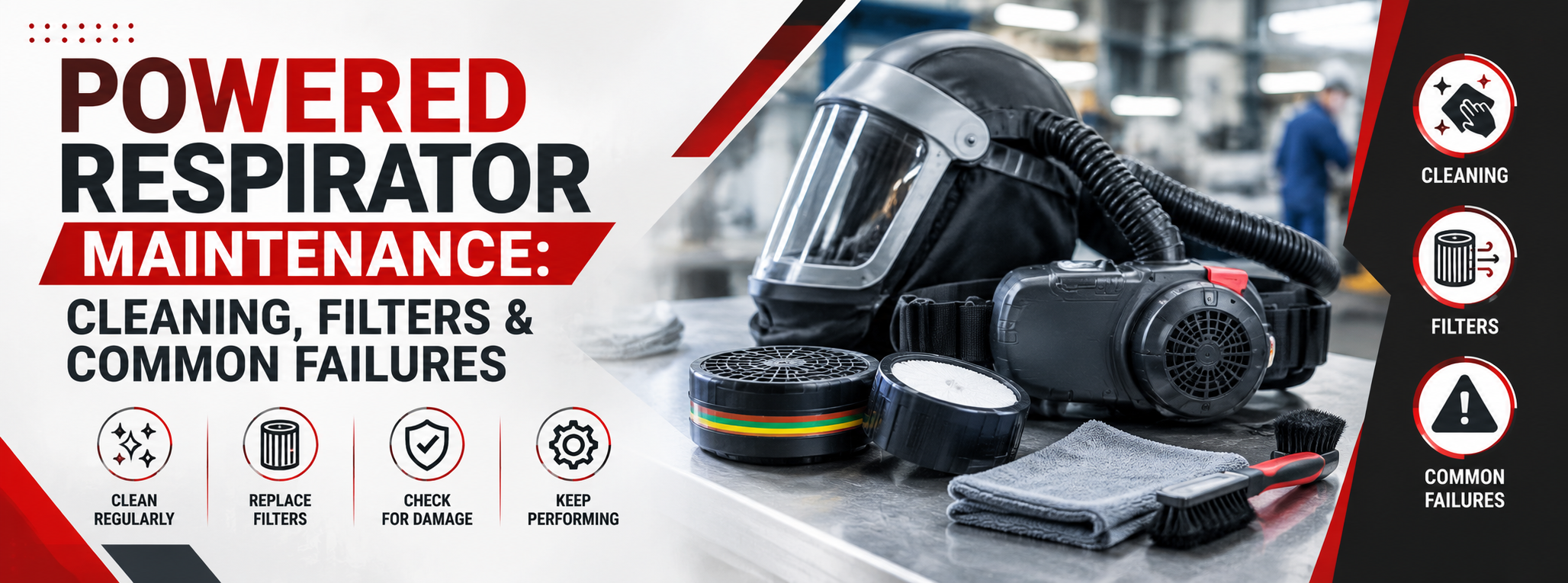
- Powered Air Respirators – A powered air respirator mask uses a battery-driven fan to push filtered air into the facepiece, reducing breathing resistance during long or physically demanding shifts. This makes a powered air respirator a strong option for longer, more strenuous jobs.
- Air-Fed Respirators – An air-fed respirator (or air-fed mask) supplies clean breathing air from an external source instead of filtering ambient air and is appropriate for use in high-risk and/or oxygen-deficient atmospheres.
- Dust Respirators – A dust respirator is purpose-built for particulate-heavy environments such as construction, groundworks and demolition, and should always have the correct FFP or P-rating for the dust type being used.
How to Choose the Right Respirator?
When choosing the RPE, it is important to remember that the chosen respirator should be the right fit for the wearer, task, and the environment. The first step in selection is to conduct an appropriate hazard assessment: what’s in the air, at what concentration, and for how long.
In the UK, this assessment forms a part of the wider workplace risk assessment and COSHH assessment where hazardous substances are involved. Here are the important factors that one should consider before making a choice:
- Type of identified hazard
- Level of filter type/class required for the hazard
- The required assigned protection factor (APF)
- Whether the conditions require both face and eye protection
- Tight-fitting or loose-fitting respirator is required
- Nature and duration of the task
You can download and follow either the RPE HSG 53 Guide or the COSHH Essentials Guidance Sheet to help you choose the correct RPE.
Where is RPE Commonly Used?
The proper use of RPE is a standard practice in any construction or demolition activity, asbestos removal, groundworks, welding, powder coating, and healthcare and pharmaceutical environments. A dust respirator is frequently used on construction and groundworks sites, and a powered respirator mask is frequently preferred for working in enclosed or strenuous environments for long periods of time.
How to Read a Respirator’s Rating/Label?
Respirator ratings can look confusing because the RPE is covered by a range of different standards. So, in some cases, different classifications may indicate a similar level of filtration, even though they apply to different types of RPE. For example, FFP3 and P3 both represent high-efficiency particle filtration, but they are classified under different standards and apply to different types of respiratory equipment.
So, to understand the efficiency of the respirator, it is important to identify the EN standard.
EN 149 (Respiratory Protective Devices - Filtering Half Masks to Protect Against Particles)
As per this EN standard, the masks are divided into three classes:
| FFP1 | Low-filter performance (80%) |
|---|---|
| FFP2 | Medium-filter performance (94%) |
| FFP3 | High-filter performance (99%+) |
EN136 (Respiratory Protective Devices - Full Face Masks)
This standard classifies full face masks into three categories:
| Class 1 | Light Duty |
|---|---|
| Class 2 | General Use |
| Class 3 | Special Use |
EN140 (Respiratory Protective Devices - Half Masks and Quarter Masks)
This standard doesn’t assign the mask a protection class like FFP3 or P3. However, this standard covers half and quarter masks, and includes assessments of field of vision, head harness, and strength of connections and tests covering breathing resistance, carbon dioxide content, and inward leakage. The standard relates to the design and performance of the facepiece itself, while the protection provided depends on the filters used with it.
EN143 (Respiratory Protective Devices - Particle Filters)
This standard classifies the particulate filters that are used in respiratory protective devices, and the filters are tested for breathing resistance, clogging, and particulate penetration. As per this, the filters are classified into 3 categories:
| P1 | Low-filter performance (80% minimum efficiency) |
|---|---|
| P2 | Medium-filter performance (94% minimum efficiency) |
| P3 | High-filter performance (99.95% minimum efficiency) |
EN 14387 (Respiratory Protective Devices - Gas filters and combined filters)
EN 14387 is used when you're dealing with replaceable filters designed to protect against gases and vapours, either on their own or combined with a particle filter. The filters are tested for gas capacity and breathing resistance, and combined filters are subject to additional penetration testing.
Filters are classified into different types on the basis of the gases or vapours they are intended for use against:
| Type A | Organic gases and vapours with a boiling point greater than 65°C |
|---|---|
| Type B | Inorganic gases and vapours |
| Type E | Sulphur dioxide and other acid gases and vapours |
| Type K | Ammonia and organic ammonia derivatives |
| Type AX | Organic gases and vapours with a boiling point less than 65°C |
| Type SX | Specially named gases and vapours, specified by the manufacturer |
| Type Hg-P3 | Mercury vapours and particles |
| Type NO-P3 | Oxides of nitrogen, nitro gases and vapours, and particles |
EN12941 (Respiratory Protective Devices - Powered Filtering Devices with a Helmet/Hood)
As per this standard, the PAPRs are classified into three categories:
| TH1 | Low-filter performance (90% minimum efficiency) |
|---|---|
| TH2 | Medium-filter performance (98% minimum efficiency) |
| TH3 | High-filter performance (99.8% minimum efficiency) |
Note: There is a separate standard, EN 12942, that categorises powered filtering devices using full-face, half-face or quarter masks in three classifications: TM1, TM2, and TM3.
EN 529
This standard provides guidance on selecting, using, caring for and maintaining respiratory protective equipment, including considerations such as risk assessment and protection factors. There are two protection factors outlined:
| Nominal Protection Factor (NPF) | A theoretical/laboratory-based protection factor derived from the performance of the RPE. |
|---|---|
| Assigned Protection Factor (APF) | The protection factor used for workplace selection, taking into account the expected performance of correctly selected and worn RPE. |
When Is Each Type of RPE Required?
Here’s a table that defines where each RPE are typically used and what they protect against:
| RPE Type | Effective Against | Typical Use / Wear Time |
|---|---|---|
| Disposable (FFP1/2/3) | Solid/liquid particles | Low to moderate dust exposure; <1 hr continuous; NR masks binned after one 8-hr shift |
| Half Mask (particle filter) | Solid/liquid particles | General industry, construction, foundries; <1 hr continuous; requires clean-shaven seal |
| Half Mask (gas/vapour filter) | Gas/vapour only | Solvents, adhesives, low-concentration chemical vapours |
| Reusable Respirators | Particles and/or gas/vapour | Regular ongoing use; needs monthly (or 3-monthly) maintenance checks, records kept 5 years |
| Full Face Mask (particle filter) | Solid/liquid particles | Higher-protection dust tasks; also shields eyes; incompatible with side-arm spectacles |
| Full Face Mask (gas/vapour filter) | Gas/vapour only | Higher-concentration vapour/gas tasks needing eye protection too |
| Powered Respirator mask | Particles or gas/vapour (per filter) | Heavy work rate, hot/humid conditions, >1 hr continuous wear |
| Air-fed Respirators (Breathing Apparatus) | Particles + gas/vapours | Confined spaces, oxygen-deficient or very high-risk atmospheres, spray painting, abrasive blasting; >1 hr wear; |
| Dust Respirators | Airborne particles | Construction, woodworking, groundworks, or demolition, where particle exposure is the primary respiratory hazard. |
After You Use RPE: Checklist for Legal Compliance
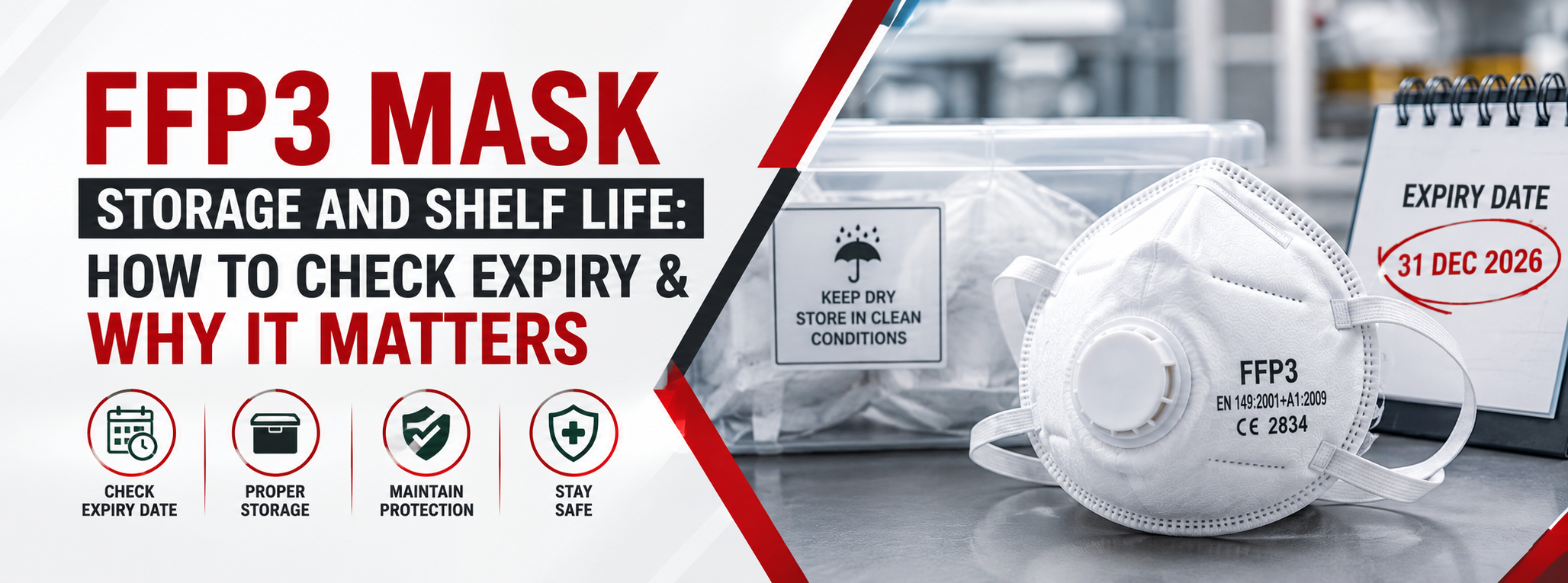
- Keep respirators away from dust, moisture, and direct sunlight.
- Check the facepiece, straps, valves, seals, hoses, and connections quickly before use.
- Change filters and cartridges before they expire, as mentioned by the manufacturer, not after.
- Schedule and complete fit testing, training, inspections and routine maintenance as required.
- Ensure equipment continues to comply with EN 149 or the relevant current standard.
2026 Checklist to Buy the Right Workplace Respiratory Protection Equipment
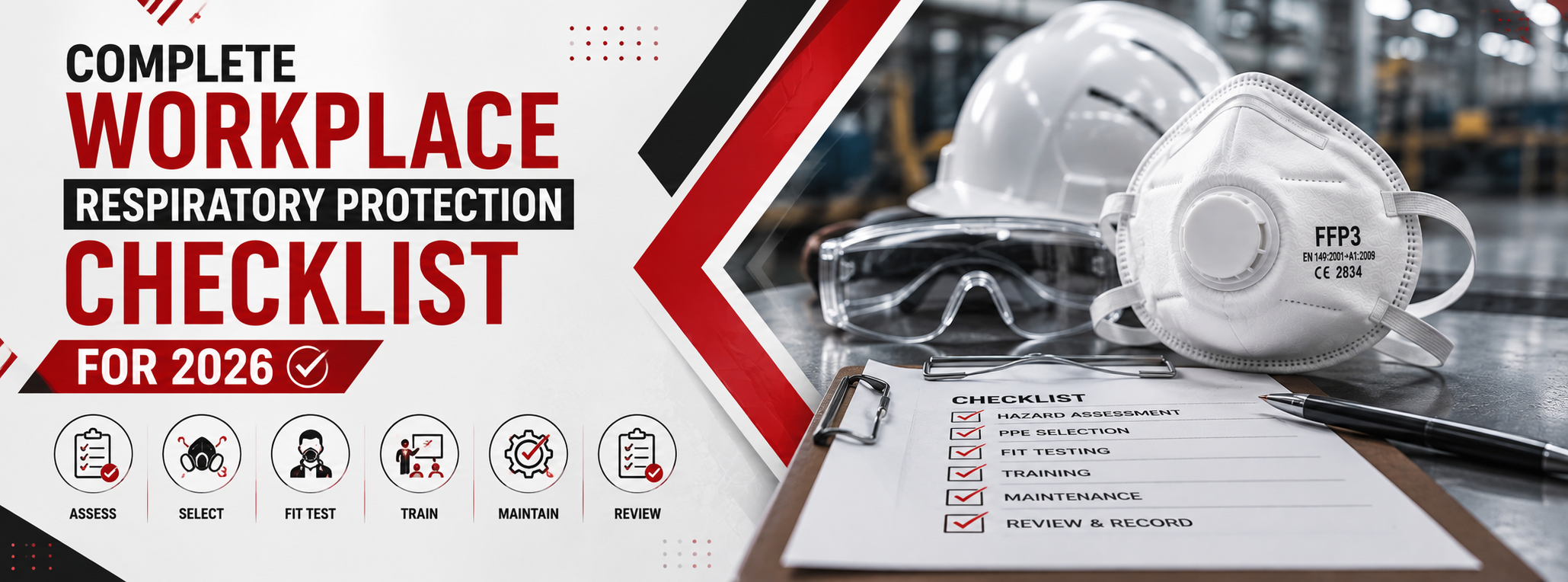
Before the RPE is used or issued, make sure you have covered the basics:
- The workplace hazard has been identified, and the level of exposure is assessed.
- The right type of RPE and filter have been selected as per the hazard.
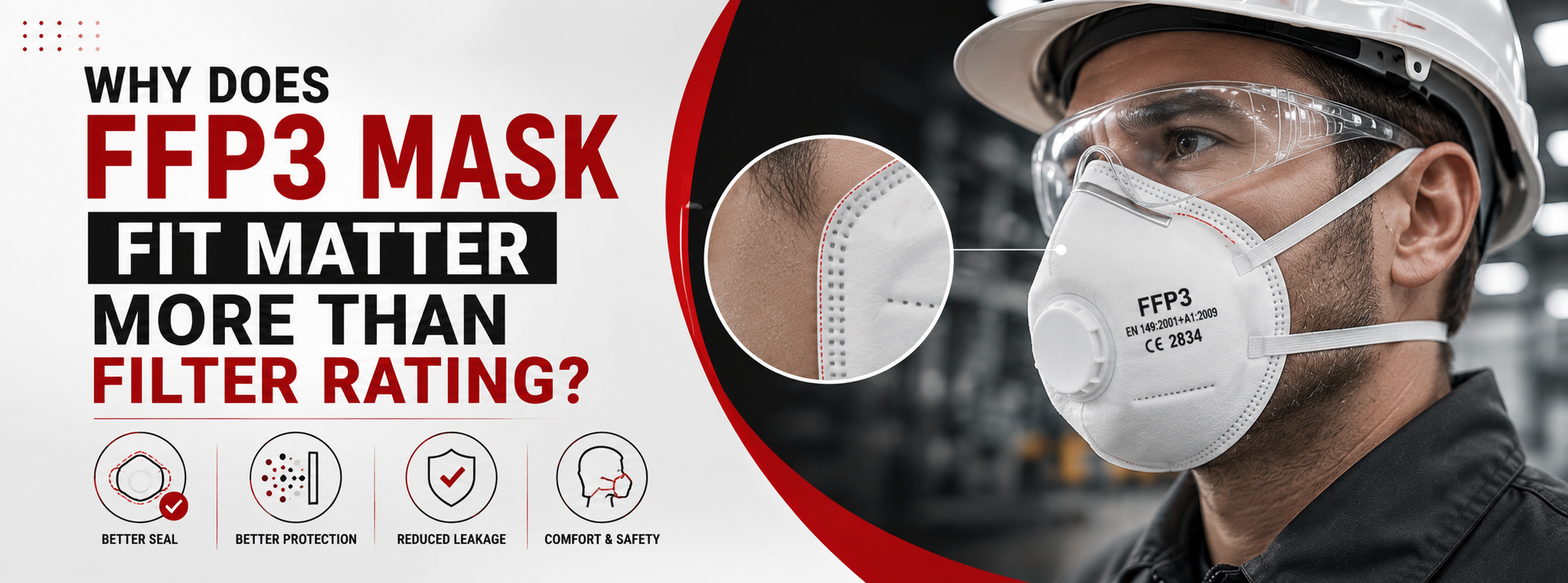
- Tight-fitting RPE has been fit-tested for each individual wearer.
- Workers are trained on how to put on, use, and check their RPE units correctly.
- Cleaning, inspection, maintenance, and filter replacement arrangements are in place.
- Proper storage conditions are maintained to store the RPE properly between uses.
- The RPE programme is reviewed when the workplace, process or exposure changes.
Conclusion
Respiratory protection is not a one-size-fits-all purchase. From disposable respirators for routine dust to a powered air respirator or air-fed mask for demanding or high-risk atmospheres, the right choice depends on a proper hazard assessment and correct fit and maintenance. Incorporating these checks into a routine 2026 compliance process keeps workers protected and workplaces audit-ready.
FAQs
1. What’s the difference between a half-face and a full-face respirator?
A half-face respirator covers the nose and mouth, while a full-face respirator also protects the eyes, providing additional protection from irritant vapours and splashes.
2. What does FFP3 actually mean on a mask?
FFP3 is the highest UK filtration grade for a disposable respirator, which filters approximately 99% of particulates as small as 0.3 microns.
3. Is a powered respirator better than a basic dust mask?
While a powered respirator will make breathing easier and more comfortable on long or demanding jobs, a basic dust respirator may be suitable for lower-risk, shorter jobs.
4. How often does RPE need to be fit tested?
Fit testing should be repeated whenever the respirator mask model changes or the wearer’s face shape changes, and periodically as part of a workplace’s respiratory protection programme.
5. Can I reuse a disposable respirator?
Disposable respirators are meant to be used once and then discarded and should be replaced once damaged, dirty or after the manufacturer’s stated wear period.