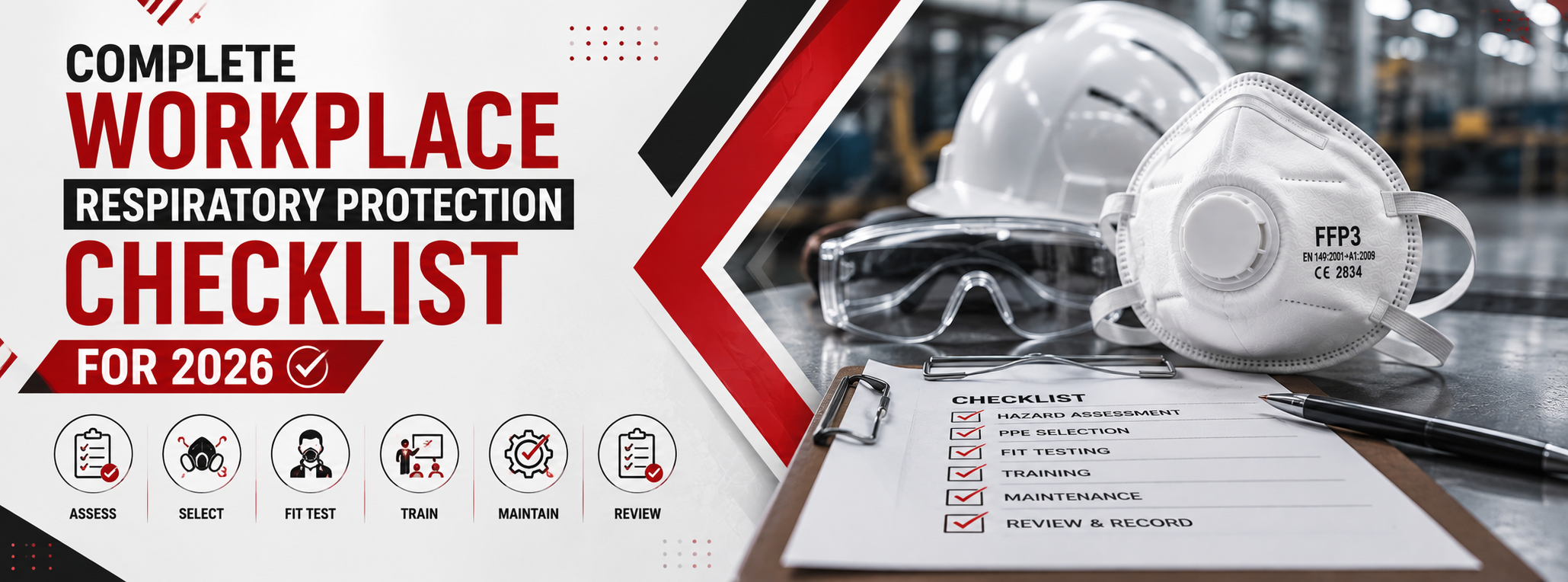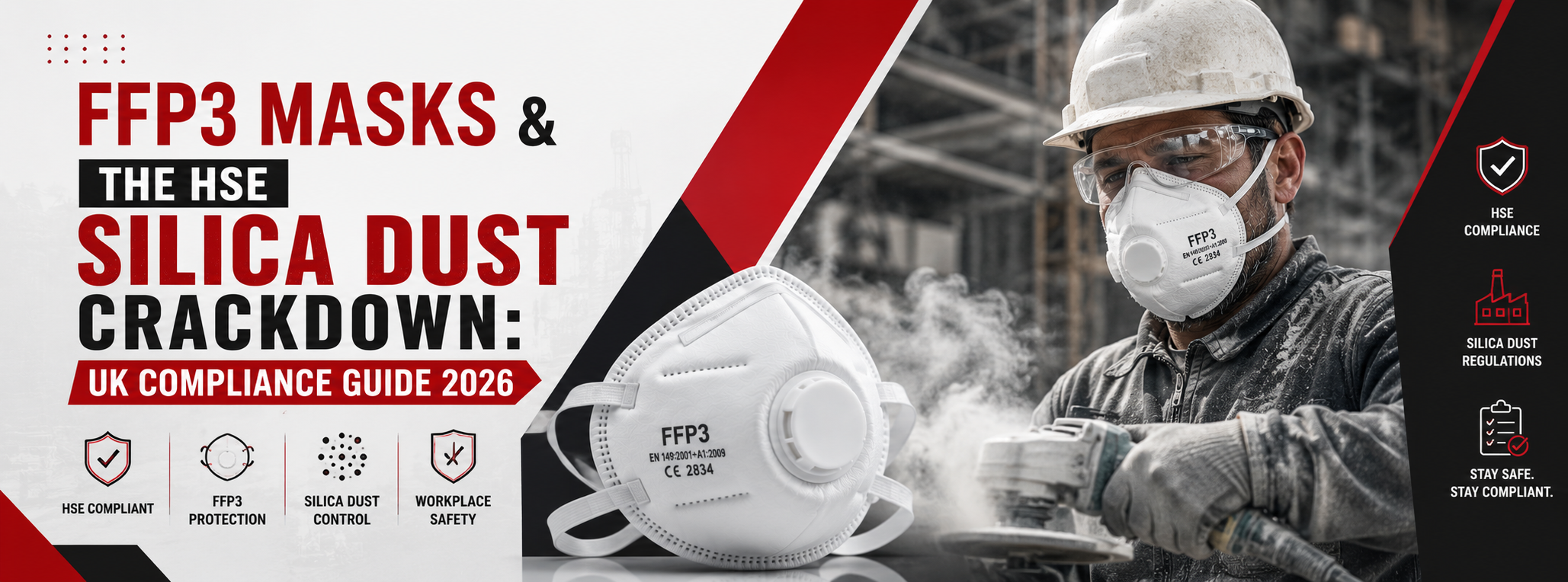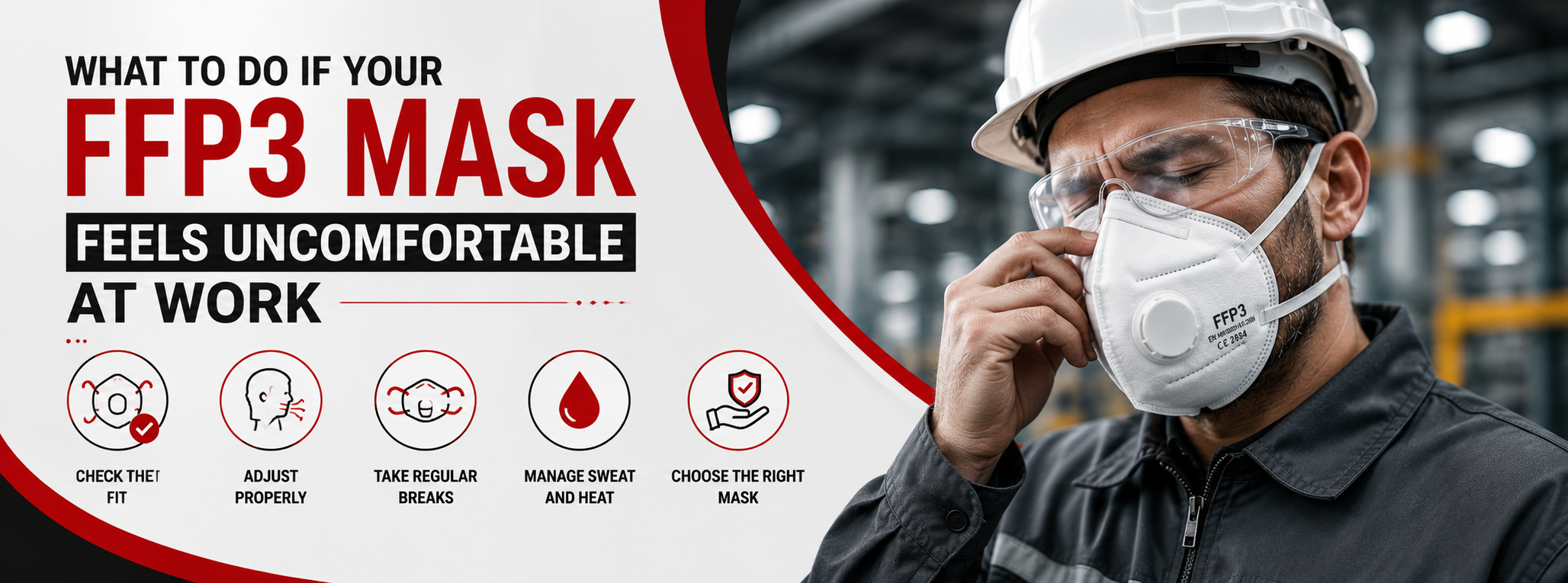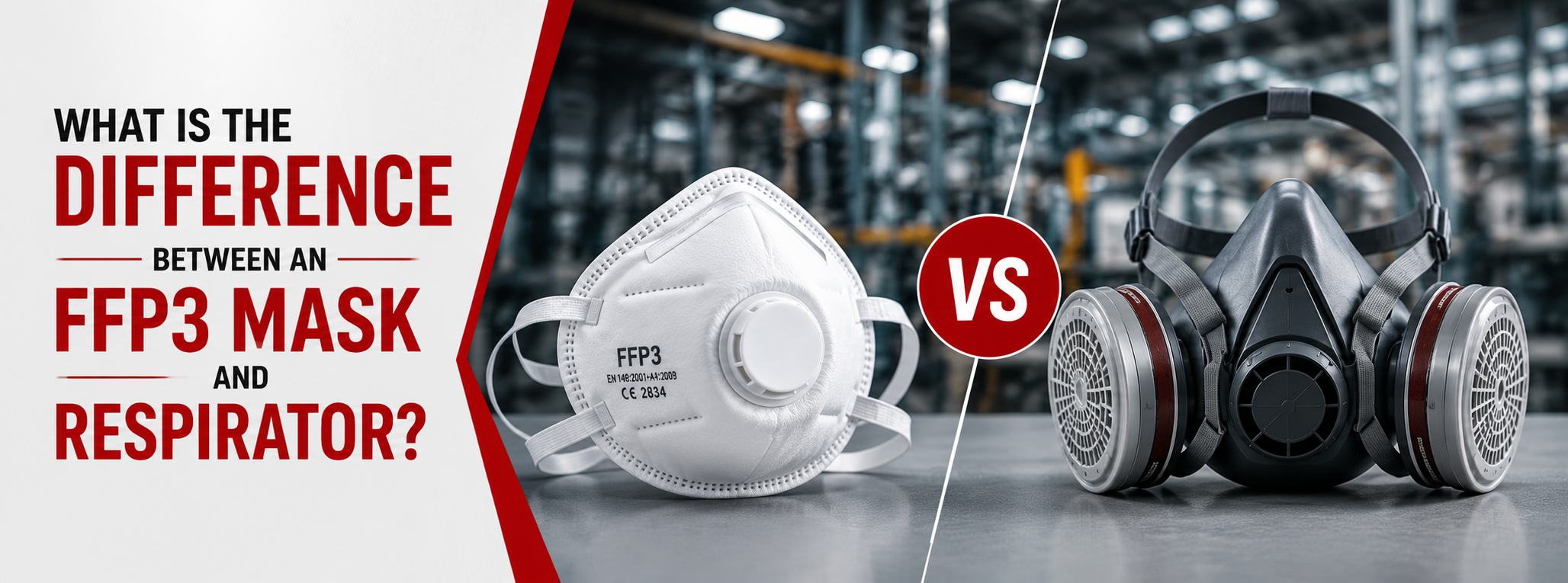
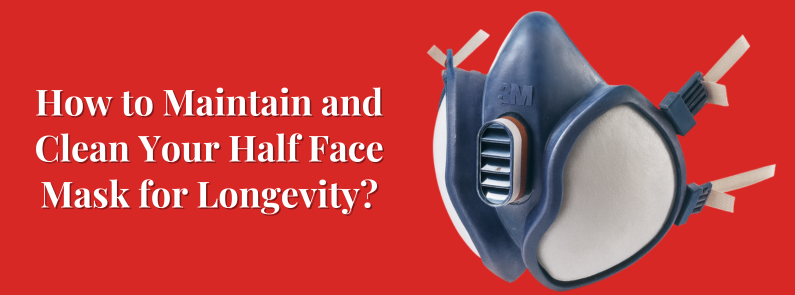
Face masks and respirators play an important role in workers’ safety by preventing them from being exposed to potentially harmful air contaminants such as dust, fumes, gases, smoke, and vapours. With industrial respiratory masks often in high demand, it is important to maximize the lifespan of your reusable half-face dust mask by keeping it clean and properly maintained.
So, how can you maintain your half-face mask in good condition for a long time? Keep on scrolling to find the step-by-step cleaning process for this life-saving equipment.
Why Proper Maintenance of Half Face Mask Matters?
A face mask regularly comes into direct contact with bacteria, viruses, dirt, and moisture. If you fail to clean and care for your mask properly, it can quickly become ineffective or even worse, become harmful to your health. Proper maintenance ensures:
The reusable dust mask remains effective in protecting you from airborne particles and pathogens.
It is comfortable to wear for long periods.
The half mask lasts longer while providing better value for your investment.
Step-by-Step Guide to Clean Your Half Mask
Manufacturers generally recommend that you clean the face mask after each use. To properly clean your reusable half mask , follow these steps:
Disassembly: First things first, carefully disassemble your face mask according to the instructions from the manufacturer. It usually involves removing the filters, straps, and any other detachable parts.
Inspect for Damage: Take a moment to inspect each component for any signs of wear or damage. Look out for cracks, tears, or deformities that could compromise the function of the mask.
Get the Soap Solution: You can prepare a soap solution using warm water and a mild soap or detergent. Make sure that you do not use any harsh chemicals or detergents, as they can drastically degrade the fabric of the mask and its purpose.
Soak the mask: Now, in the cleaning solution which you have just prepared, soak the mask for a few minutes. Next, take out the mask and gently scrub it. Pay attention to the inner layers of the mask, clean them properly, as this area remains in contact with your face for a long time.
Rinse it properly: Once you have cleaned the mask, rinse it thoroughly with warm water to clean any remains of the soap, dirt, or dust.
Dry Thoroughly: Air-dry the mask by hanging it in a ventilated area. Do not use hair dryers or any external heat sources, as the heat might be too harsh for the mask.
Clean Filters: If your face mask has replacement filters, check them for any debris or blockages. If you find any, gently tap them or use a soft brush to remove the surface dirt. If the filters are disposable, replace them as per the manufacturer’s recommendations.
Reassemble Carefully: After everything is cleaned and dried up, reattach the face mask carefully, ensuring you have aligned and secured all the parts. Pay special attention to seals and connections for the right fitting.
Store Correctly: Finally, you should store your mask in a clean and dry place. A protective case or bag will prevent damage and have it ready at any moment.
How to Store Your Face Mask Correctly?
Here are five steps to ensure your mask remains effective and hygienic between uses:
Wash Your Hands First: Do not touch your mask without first washing or sanitizing your hands to prevent the spread of germs.
Inspect for Damage: Check for tears, stretched ear loops, or soiling. Discard if any of the features are compromised.
Storage: It is always recommended to store them in breathable bags or clean fabric pouches. Plastic should be avoided unless it's for short-term transportation.
Store Upright or Flat: Place the mask with the outer side in or down to minimize contact with clean surfaces.
Keep in a Cool Place: Prefer to store them in locations away from direct sunlight, such as in drawers, desks, or organizers, away from kitchens, bathrooms, and vehicles.
A Checklist for Routine Maintenance
In addition to routine cleanings, you must ensure regular maintenance checks are taken on your face mask. Typically, you need to check the entire face mask for any damage, wear, or deterioration. Follow the checklist below for inspecting the equipment:
| Component | Inspection points |
|---|---|
| Facepiece | - Warping - Dirt - Holes, tears, or cracks |
| Yoke | - Cracks that could happen due to bending the respirator |
| Inhalation and exhalation valves | - Both valves must be present - Exhalation valve cover present - Cracks or tears - Dirt - Curling |
| Head straps | - Breaks or tears - Stretch straps to test elasticity - Fasteners present and functioning |
| Cartridges and filters | - Cracks, dents, or holes - Replace filters if coated with paint or any other material - Use the correct type of filter and cartridge for the respective workplace hazard |
Tips to Extend the Life of Your Face Mask
Even the best-informed employee can make some mistakes in maintaining their face mask. Here are some tips to avoid those mistakes and ensure the longevity of your face mask.
Never stretch your face mask too long; it can affect its fit and effectiveness.
Do not fold your mask. It can decrease the filter and affect its ability to form a proper seal.
Don't leave the masks in direct sunlight: high temperatures can degrade the filtration layers.
Never store damp or wet masks. Moisture invites mild bacteria to start reproducing.
Wrapping Up
With the right care, your half mask will be able to provide years of service. Proper face mask maintenance means heightened hygiene, reduced costs, and sustainability. If you need guidance regarding cleaning and inspection, always consult with a trained expert for reliable advice.
If you're the one who values clean and breathable air, then you will know the importance of investing in quality face masks. At Respirator Shop , we provide a wide range of half-face masks and respirators that are featured with industrial-grade attributes to keep you protected in your workplace in all the right ways.