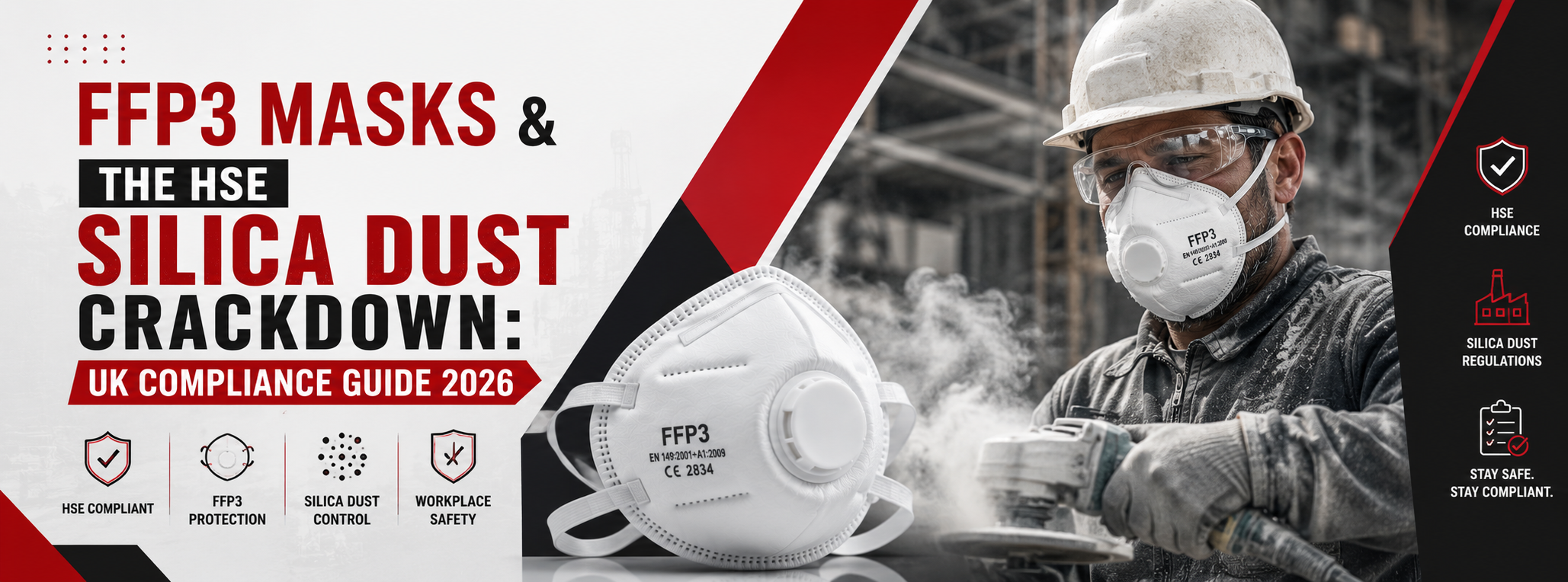
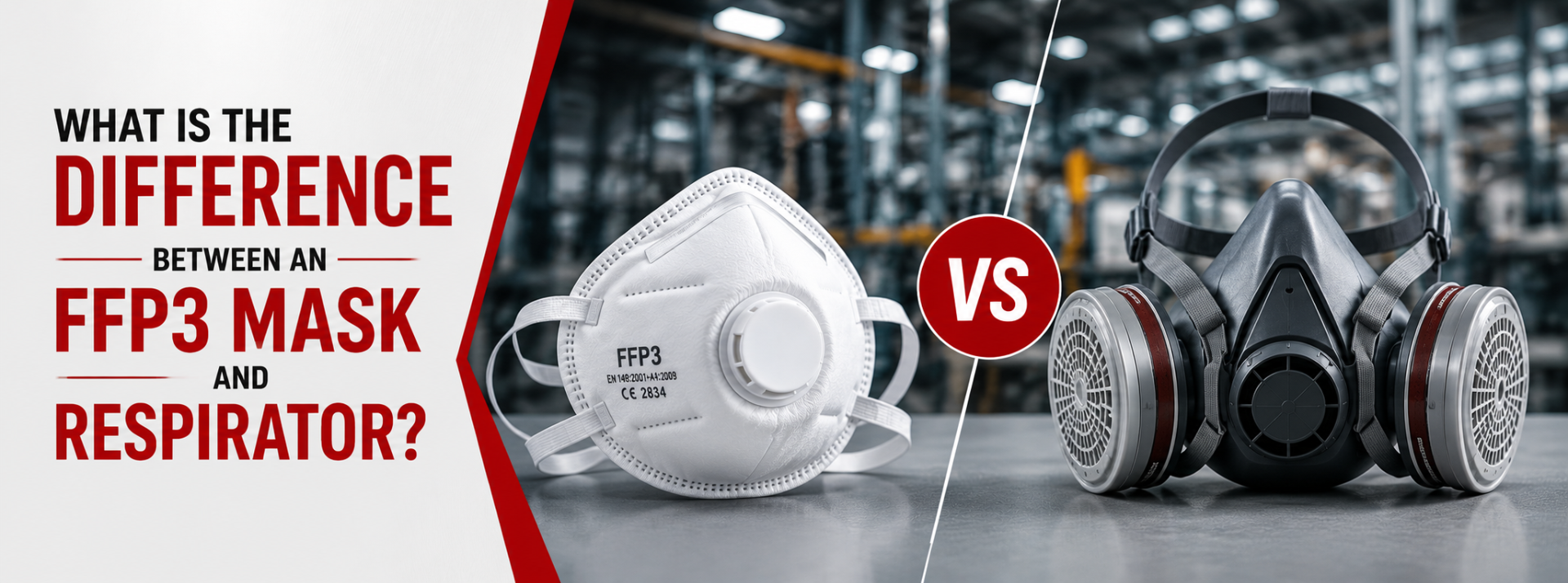
When it comes to respiratory protection, most people often use the words FFP3 mask and a respirator mask interchangeably. While they might be closely related, they are actually different. In simple words, an FFP3 face mask is a type of respirator, but a respirator is not an FFP3 mask.
So, whether you are using a protective mask in your workplace or want to buy any respiratory protection to protect from dust, mists, or any airborne particles, investing in the right type of mask can help you offer the right protection you need.
This guide explains the difference between an FFP3 mask and a respirator in terms of how they are used and which one to choose according to the environment.
Why Do People Confuse FFP3 Masks and Respirators?
For most people, any type of respiratory protection means a mask. This is the main reason why people confuse FFP3 masks and respirators. However, when we talk about respiratory protection, it includes a very broad category of equipment, including:
- Disposable filtering masks
- Full face respirators
- Reusable half-face mask respirators
- Air-fed mask systems
- Powered respirators
Since an FFP3 mask provides standard protection from airborne contaminants to the wearer, it typically falls under the respirator category. The difference can be observed in the design, performance capabilities, and applications.
What Is an FFP3 Mask?
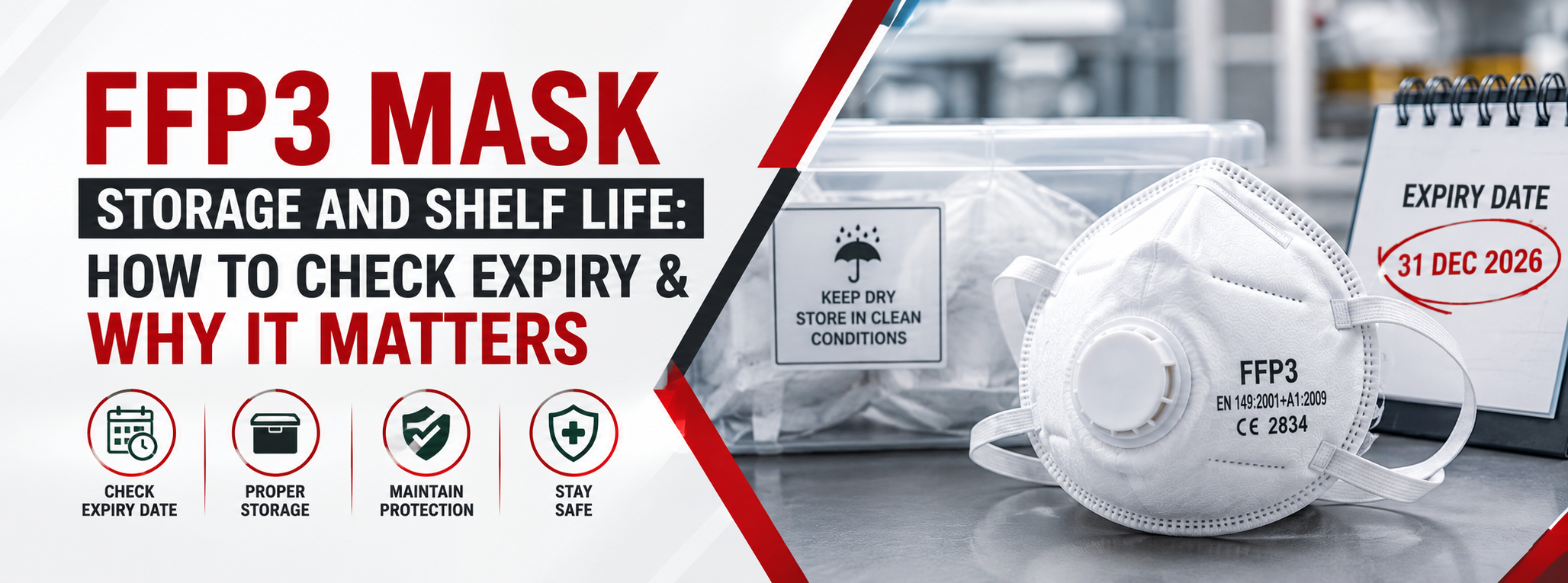
An FFP3 face mask refers to a disposable respirator that has the capability to filter out dust and other fine airborne particles, thus providing protection to the wearer. Categorised under the highest filtration standards of European EN 149 for disposable respirators, these masks are most commonly used to gain protection from biological contaminants, fine particles, and hazardous dusts.
However, unlike the reusable respirators, most FFP3 masks are designed for limited use and must be discarded after the recommended wear time.
What Does FFP3 Mean?
FFP is an acronym for ‘Filtering Face Piece’. And according to the rating system and the level of protection provided, the FFP masks are divided into different categories:
- FFP1: Offers standard protection against the low levels of dust particles.
- FFP2: Provides medium-level particle protection.
- FFP3: Offers the highest level of particle filtration.
With the ability to filter 99% of the airborne particles, the FFP3 masks provide the most effective disposable respiratory protection.
How FFP3 Masks Work
An FFP3 mask is designed with a tight-face seal and multi-layer filters to provide efficient protection. Here’s how the mask works:
- The tangled web of synthetic fibres in the mask traps and filters the large macroscopic particles, just like in the process of sieving.
- The mask fibre is designed with a permanent electrostatic charge that acts like a magnet and and pull-in the trapped ultra-fine particles that would otherwise make their way through the physical gaps.
- To allow the filtered air to pass, the mask is structured with moulded cups, adjustable nose clips, and flexible foam seals that tightly contour the face.
However, to ensure maximum protection from an FFP3 mask:
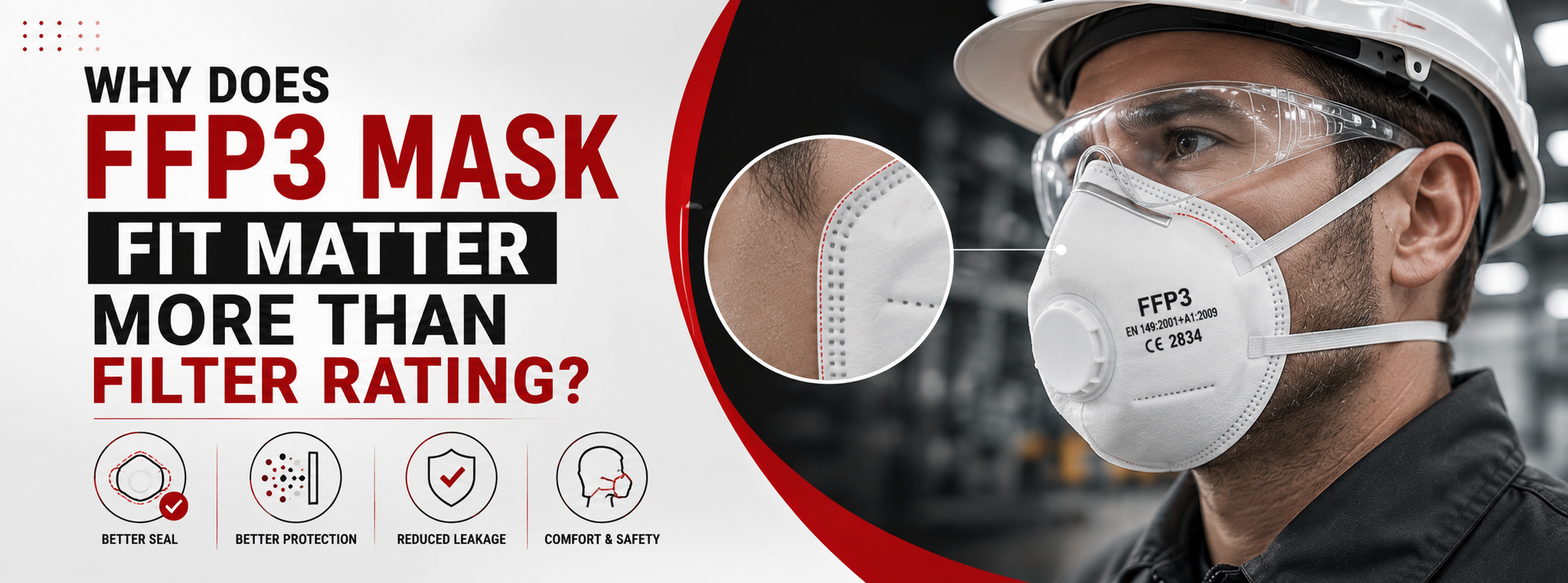
- Check that upon wearing, the mask forms a tight seal around the face.
- Before purchasing, go through a proper fit test to discover any problems after the investment.
Common Uses of FFP3 Masks
The FFP3 masks are most frequently used across:
- Construction and demolition work sites
- Pharmaceutical manufacturing industries
- Hospitals and other healthcare environments
- Woodwork or carpentry
- Metal grinding and cutting
- Activities that utilise asbestos
- High dust-prone industrial processes
What Is a Respirator?
A respirator mask is defined as a broader category of respiratory protective equipment designed to help minimize exposure to airborne hazards.
Unlike the disposable masks, these respirators are designed with replaceable filters, supplied air technology, or powered air systems, according to the level of protection required.
Disposable Respirators
These are the single-use protective masks that offer protection against mists, dusts, pollen, and aerosols. Ranging from simple dust masks to rated FFP1, FFP2, and FFP3 masks, they can be used for everyday dust protection to usage in highly-polluted environments, based on their protection levels. An FFP3 mask is one of the types of disposable masks.
Reusable Half Mask Respirators
Providing protection to the nose and the mouth, the reusable half mask respirator is a cost-effective and versatile protection system. Designed with soft silicone or thermoplastic elastomer, it is light and comfortable to wear. Users can swap filters and cartridges depending on the environment. They can use filters to prevent dust and welding fumes; similarly, they can use cartridges to prevent paint chemicals, gases, or vapours.
A 3M respirator is a popular reusable half-mask system that can be used across an industrial environment.
Full-Face Respirators
Categorised under Personal Protective Equipment (PPE) kit, these full-face respirators cover the entire face, protecting the eyes, nose and mouth. These masks are often used where workers have to face chemical splashes, fine particle exposure, hazardous fumes, or a combined respiratory and eye hazard.
Since these masks cover a larger face area, they provide efficient and additional protection in high-risk environments.
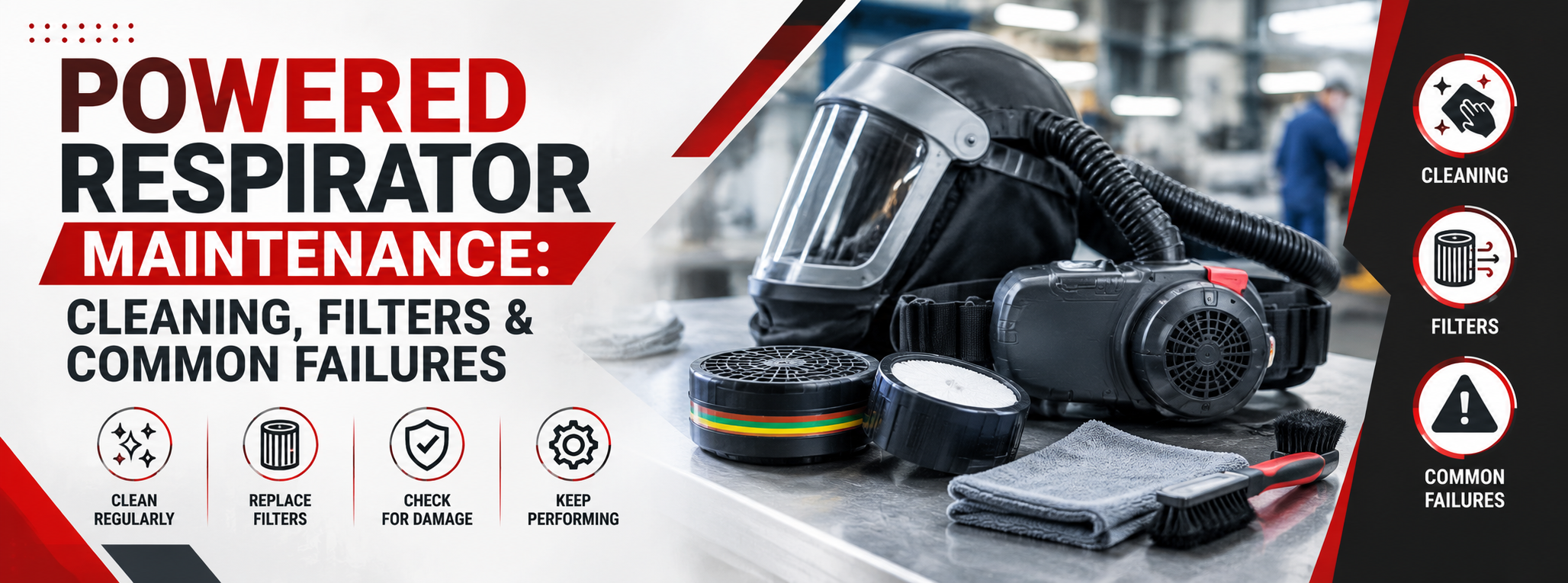
Powered Air-Purifying Respirators (PAPR)
The powered respirators are designed with a battery-powered blower to pull air through the filters before it is delivered to the user. The purified and filtered air is delivered to the wearer through a breathing tube into a loose or tight-fitted face piece.
The PAPR are most commonly worn in high-risk and demanding environments such as healthcare and laboratories, construction and industrial manufacturing sites or in first response or military tactical applications.
FFP3 Mask vs Respirator: What's the Difference?
| Feature | FFP3 Mask | Respirator |
|---|---|---|
| Mask Type | Disposable | Most types are reusable, and a few are disposable respirators that are also available |
| Filteration | Supports particle filtration | Dust particles, gas vapour, or combined protection |
| Maintenance | One-time use | Comes with replaceable filters and maintenance |
| Cost | Less upfront investment | Might require a high initial cost |
| Ideal Usage | Short-term use | Frequent or long-term mask usage |
Which Option Is Better for You?
Both FFP3 and respirator systems offer efficient protection when utilised for the right purpose:
You can use an FFP3 mask when:
- You need a disposable mask that should be worn for a short period of time.
- You are exposed to an environment with dust or air particles.
- You want an easy-to-wear mask that can be replaced frequently.
You should use a respirator when:
- You are exposed to an environment with hazardous particles, paint chemicals, gases, and strong particulates.
- You want a reusable mask that has changeable filters.
- You are required to wear a mask for longer periods of time.
Common Mistakes to Avoid
- Selecting the mask only based on the price does not guarantee efficient protection. Make sure it properly fits and protects.
- Ignoring the fit test can lead to a loose or an extremely tight-fitted mask, making you feel uncomfortable or unprotected.
- The wrong filter in the reusable mask can fail to provide the necessary protection. Make sure to use the filter according to the type of exposure.
- A disposable mask, when used for longer durations, can result in inefficient protection. Check the manufacturer's details to verify how long a disposable mask can be worn.
- Ignoring maintenance of the reusable masks may lead to blocked or improperly working filters. Ensure regular maintenance of the reusable masks.
Conclusion: Understanding the Difference Helps You Choose the Right Protection
The selection between an FFP3 mask and a respirator should be made based on the type of environment, usage, and purpose. An FFP3 mask is a disposable respiratory mask that is best for dust and airborne particles. On the other hand, a respirator is a broad term that includes multiple types of masks, such as a half-face mask, a full-face mask, a PAPR, etc. The right respiratory protection can provide the level of protection you need.
Respirator Shop offers a complete range of FFP masks (including FFP1, FFP2, and FFP3) and other types of respirator options. Find the right respiratory protection you need today.
FAQs
Why is an FFP3 mask considered a respirator?
Yes FFP3 mask is a disposable respirator that filters airborne particles and protects the wearer.
How is an FFP3 mask different from a respirator?
An FFP3 mask is a type of disposable respirator, whereas a respirator is a broader category which includes multiple disposable and reusable respiratory masks.
Which is a better option to use: an FFP3 mask or a reusable respirator?
Depending on the exposure and protection level required, both an FFP3 mask and a reusable respirator have their own importance. An FFP3 mask is better when the mask is to be used for a short time and in environments where protection from dust and other airborne particles is essential. Similarly, a reusable respirator is a better option when the mask is to be worn for longer durations and in an environment where chemical paints, gas, and other hazardous particles are present.
Can a reusable respirator offer the same level of protection as an FFP3 mask?
Many reusable respirators, when equipped with proper filters, can provide the same level of protection as an FFP3 mask.
What industries mostly use FFP3 masks?
FFP3 masks are commonly used across industries such as healthcare, manufacturing, pharmaceutical, asbestos-related work, etc.
Is a face fit test essential for both FFP3 masks and reusable respirators?
Yes, a face fit test is essential for both FFP3 and reusable respirators. This helps in ensuring that the mask provides the desired protection.